Why Does My AC Smell Musty? A Guide to the Likely Causes and Fixes
 Andrew
September 14, 2026
Andrew
September 14, 2026
- Explain the most common reasons an AC unit smells musty or like mildew
- Walk through safe, homeowner-friendly steps to clear the smell
- Cover how filter type and replacement schedule affect odor control
- Flag the signs that mean it's time to call an HVAC professional
Common Reasons Your AC Unit Smells Like Mildew
A musty AC smell is your system's way of telling you that moisture is sitting somewhere it shouldn't be. Air conditioners naturally produce condensation as they cool and dehumidify indoor air, and that water has to go somewhere. When the system doesn't drain properly, or when airflow gets restricted, the moisture trapped within can become a breeding ground for mold, mildew, and bacteria. We've come up with four likely causes that cover most musty AC complaints, from the simplest fix to the ones that necessitate a text to your neighbor asking if they know a guy.
Dirty or Clogged Air Filter
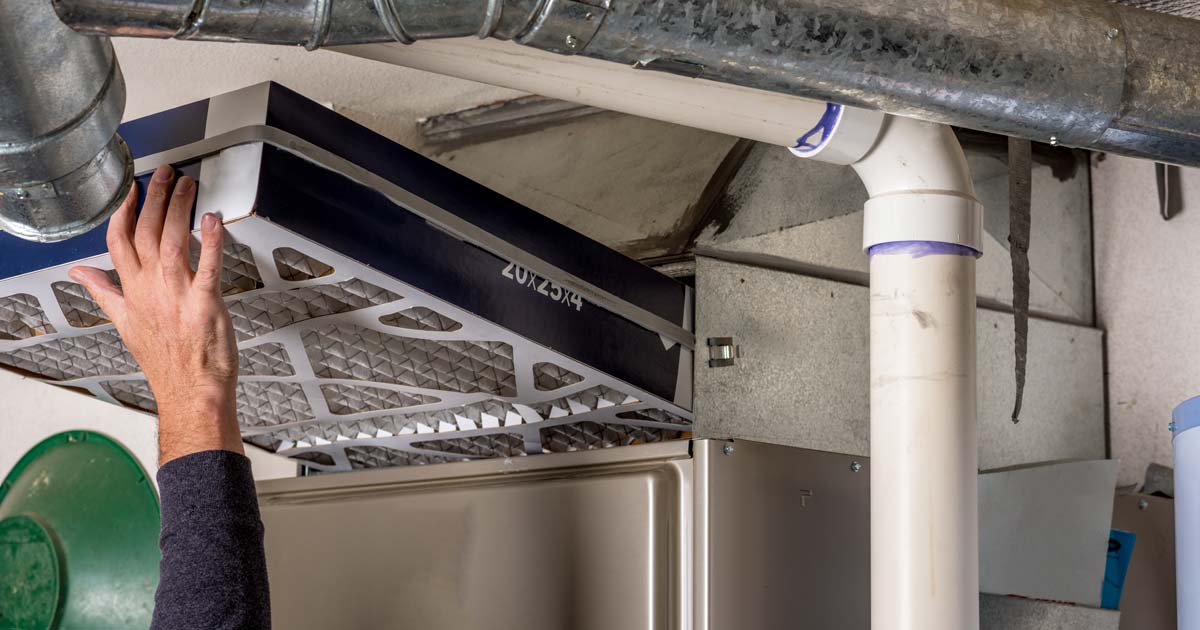
A dirty air filter is the single most common culprit, and it's also the easiest to rule out. As dust, pet dander, and debris accumulate on the filter, airflow through the system slows down, and moisture has more time to collect on the coil and inside the cabinet instead of moving through and out. Turns out that stagnant, damp environment is what odor-causing mold and mildew need to take hold. If your filter looks dusty, damp, or clogged, replace it with the right furnace and Air Conditioner Filter to restore airflow and help reduce odor-causing buildup.
Clogged Condensate Drain Line
The condensate drain line carries the water your AC pulls out of the air to the outside of your home. Over time, algae, mold, and dust can build up inside the line and slow or block that flow, which lets moisture back up into the system instead of draining away. Most residential systems have an accessible cleanout tee near the indoor air handler. If you can locate it, a homeowner can typically clear a minor clog by suctioning the line with a wet/dry vacuum, then flushing it with a cup of distilled white vinegar using the PVC cleanout tee and letting it sit for about 30 minutes before rinsing with water. If you can't find the access point, or the clog returns quickly, it's time to call a technician.
Standing Water in the Drain Pan
The condensate pan collects condensation before it exits through the drain line, and if the pan doesn't clear out properly, water can sit and stagnate, creating a musty smell close to the unit itself. On most systems, the condensate pan component is enclosed within the air handler cabinet and tucked away and out of reach of most DIY troubleshooters. Some units have a secondary overflow pan beneath the unit, where water regularly collecting almost certainly means a clogged drain line. Clearing the drain line lets gravity go to work. If the musty smell persists after that step (or worse, water actually spills out of the unit), call a pro.
Mold or Mildew in Ductwork
If the smell lingers even after a filter change and visible cleaning, the source may be deeper in the system, such as on the evaporator coils or inside the ductwork itself. Small, visible spots on an accessible metal vent cover can often be wiped clean with mild detergent. Anything more extensive, especially inside flexible or insulated ductwork, could be a different situation: the EPA recommends hiring a professional once mold covers more than about 10 square feet, since it typically requires specialized equipment and addressing the underlying moisture source, not just surface cleaning. A dirty filter can contribute to the conditions that let ductwork mold develop, but filter changes alone won't remove mold that's already established.
How to Remove Musty Smell from AC
Once you have a sense of where the moisture is coming from, most fixes for central AC systems and window AC systems that smell musty follow the same basic sequence. Work through these steps in order, and stop to call a professional if you hit a point you can't safely complete yourself.
- Start by turning off the AC: Shut the system down at the thermostat before inspecting or cleaning any component.
- Then check and replace the air filter if needed: A damp or visibly dirty filter should be swapped out before you do anything else.
- Clean the vents: Wipe down visible dust buildup on vent covers and registers throughout the home
- Check the drain pan if available: Look for standing water if the pan is accessible, and note it for a technician if it isn't.
- Clear the condensate drain line: Flush an accessible line with a wet/dry vacuum and a vinegar rinse as described above.
- Improve airflow around the unit: Clear furniture, curtains, or debris blocking vents and make sure there is plenty of clearance around the outdoor condenser
- Run the fan mode briefly: A short fan-only cycle after cooling helps dry residual moisture in the system.
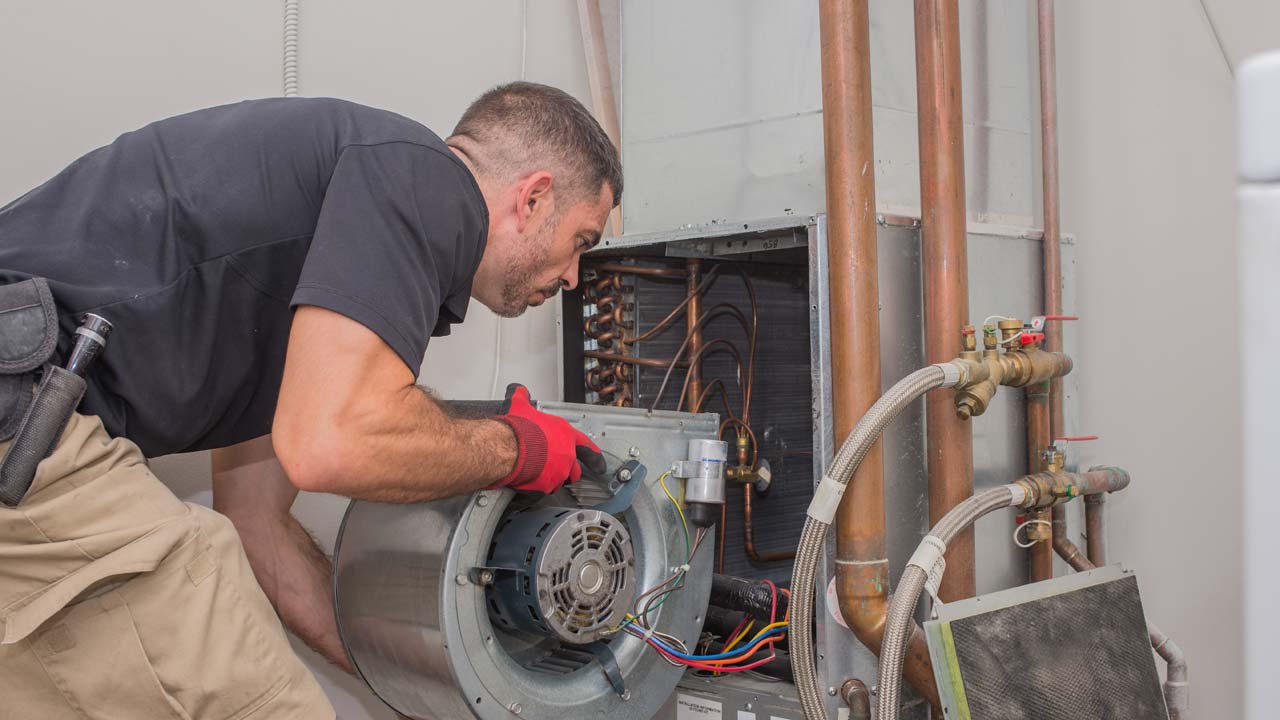
- Call an HVAC professional if the smell continues: Persistent odor after these steps usually means the moisture source is somewhere you can't safely reach.
How Often Should You Change Your AC Filter?
Most AC filters need replacing every 2 to 3 months, but filter size, household dust levels, pets, and how much the system runs are factors in the exact timing. During peak cooling season, it's worth checking the filter monthly rather than waiting out a fixed schedule. A filter that's visibly gray, damp, or damaged should be replaced regardless of how long it's been in place. For a closer look at how usage and filter type affect replacement timing, read our guide on how often to replace your furnace filter, which applies to central AC systems as well.
FAQs on Why Does My AC Smell Musty
Why does my AC smell musty when I first turn it on?
Why does my AC unit smell like mildew?
Can a dirty air filter make my AC smell musty?
How do I get rid of a musty smell from my AC?
When should I call a professional for a musty AC smell?
RELATED PRODUCTS

1" AC & Furnace Air Filters
Standard and custom sizes to get the right fit for your HVAC or furnace system.
Cleaner, fresher air in your home!
Free Shipping & MORE savings with Case Packs!

2" AC & Furnace Air Filters
2-inch thick air filters in standard and custom sizes for geothermal, AC, furnace, HVAC systems and more!
Efficient, Effective Air Filtration
Save MORE with Super Value Case Packs!

4" AC & Furnace Air Filters
Find 4" thick air filters in standard and custom sizes for your home HVAC or furnace system!
Breathe fresher, cleaner air at home!
BIG Savings with Case Packs!