Why Is My Central AC Running But Not Blowing Cold Air?
 Andrew
August 28, 2026
#acfilters
#hvac
#maintenance
#troubleshooting
Andrew
August 28, 2026
#acfilters
#hvac
#maintenance
#troubleshooting
Common Reasons Your AC Unit Is Not Blowing Cold Air
Some causes are simple enough to check yourself in five minutes: settings, filters, vents, and visible outdoor obstructions. Others, like refrigerant, wiring, capacitors, motors, and compressors, need a licensed technician. Flux capacitors require the singular genius of Dr. Emmett Brown. We'll walk through the simple and the complex issues, starting with what you can check right now.
Incorrect Thermostat Settings
Before touching anything mechanical, confirm the basics. Make sure the system is set to Cool, not Heat or Fan Only, and that your target temperature is actually set below the current room temperature. That one sounds pretty obvious, but it's a surprisingly common culprit. Check that the fan is set to Auto rather than continuously On, since running the fan constantly can circulate air that never gets properly cooled. Finally, confirm your thermostat's display is lit and functioning, and swap the batteries if it's battery-powered. A dead or glitching thermostat can mimic a much bigger problem and HVAC techs absolutely report getting called for turns out to be an AA or AAA battery swap.
Dirty Filters or Blocked Airflow
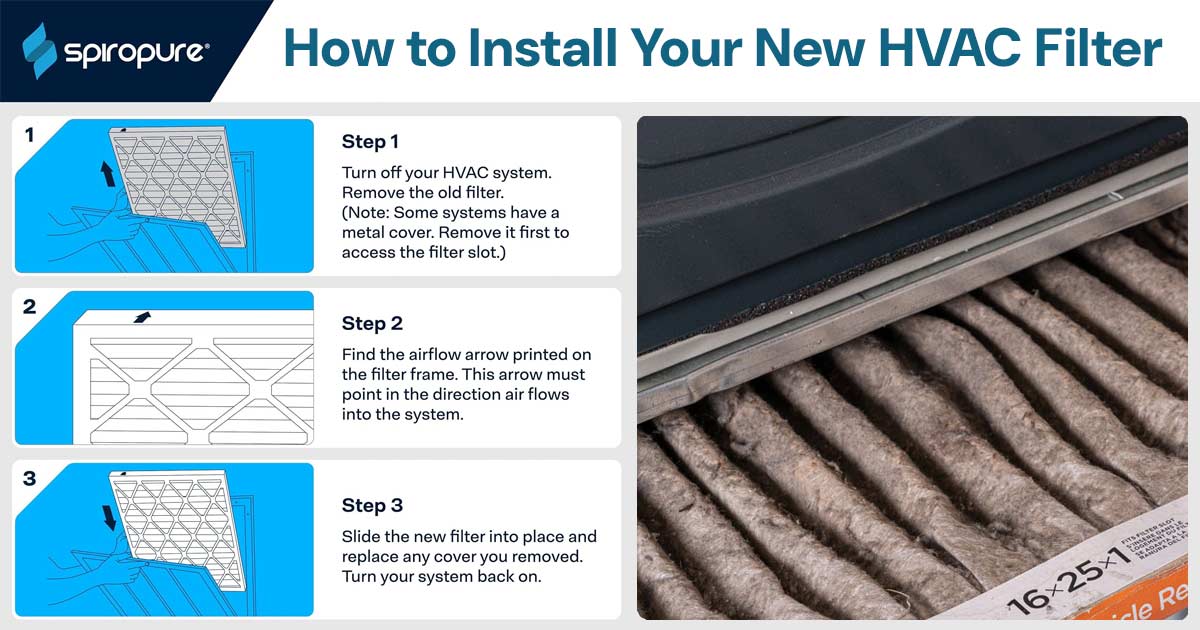
If the ac unit is working but not cooling that well, here's where we ask if you've checked your filter lately. A clogged filter or blocked vent restricts the air your system needs to actually cool your home, and it's the single most common reason for weak or warm airflow.
Think of your filter like a straw. A clean straw lets the drink pass through easily. A straw packed with boba makes the whole system work harder just to move the same amount of beverage, and less of it gets through no matter how hard you work. A blower motor is trying to do something similar as it pulls air through a filter. If clogged, expect weaker airflow, longer cooling cycles, and in serious cases, a coil that gets cold enough to freeze over.
The goal here is to prevent the visit from a technician pulling something out of your furnace cabinet that looks more like a shag carpet than a crisp pleated filter, smugly announcing, "well, there's your problem." Check your air conditioner filter, and get any furniture off your return vents while you're at it.
A Frozen Evaporator Coil
A frozen coil is usually visible: ice on the refrigerant line running to your outdoor unit, frost on the indoor coil itself, or water pooling near the indoor unit as the ice eventually melts. This applies across central, split, and window AC systems, since they all rely on the same refrigerant cycle. It's really only swamp coolers, which cool through water evaporation rather than refrigerant, that don't experience this particular problem.
If you catch it once, clear the cause (usually a dirty filter or blocked vent), let it thaw fully, and it may never happen again. But if it keeps recurring even after you've fixed the obvious airflow issues, that's a sign of a deeper problem, like low refrigerant, that needs a professional diagnosis. Never run the system while it's frozen; doing so can damage the compressor.
A Dirty or Nonworking Outdoor Unit
Your outdoor condenser needs clear airflow to release the heat your system pulls from indoor air. Dirt, leaves, overgrown vegetation, a tripped breaker, or a failed outdoor fan can all prevent that heat from escaping, which shows up indoors as weak or warm cooling.
Homeowners can safely remove loose debris by hand and gently rinse the coils with a garden hose, never a pressure washer, which can bend the delicate fins. Visually confirm the outdoor fan is actually spinning when the system calls for cooling. Renters should check their lease before doing any of this themselves as some leases restrict tenant maintenance on outdoor equipment. Either way, don't open any electrical panels.
Low Refrigerant or a Refrigerant Leak
Weak cooling, unusually long cooling cycles, frozen refrigerant lines, or a hissing sound near the indoor or outdoor unit can all point to low refrigerant. Unlike motor oil, refrigerant doesn't get "used up" through normal operation; a system that's low on refrigerant almost always has a leak somewhere in the line set or coils. This isn't a DIY fix. Refrigerant handling requires certification, specialized equipment, and locating the actual leak before recharging, since simply adding more refrigerant to a leaking system just delays the same problem.
How Can You Troubleshoot an AC That Is Blowing but Not Cold?
When the ac blows hot hair or the ac fan is running but not cooling, work through these steps roughly in order. Many issues resolve at step four or five, before you need to touch anything outside.
- Set the thermostat to Cool. Confirm it's not accidentally set to Heat or Fan Only.
- Set the fan to Auto. Running it continuously On can mask whether the system is actually cooling.
- Lower the selected temperature below room temperature. The system won't call for cooling otherwise.
- Inspect the air filter. Hold it up to a light; if you can't see light through it clearly, it's overdue.
- Replace the filter if it's visibly dirty or damaged. Match the size and rating to your system.
- Confirm that supply and return vents are open. Closed vents restrict airflow just like a dirty filter.
- Remove furniture or objects blocking vents. Give registers and returns a few inches of clearance.
- Check whether the outdoor unit is running. You should hear the fan and feel warm air blowing off it.
- Clean the outdoor condenser. Clear leaves and debris, then gently rinse the coils with a garden hose, never a pressure washer.
- Look for ice, water leaks, or unusual sounds. Any of these point to a problem beyond basic maintenance.
- Turn the system off if serious warning signs appear. Continuing to run a frozen or leaking system can cause more damage.
- Contact an HVAC professional if cooling doesn't return. Note which steps you've already tried; it helps them diagnose faster.
Quick Reference Table
| Symptom | Likely Cause | Quick Check |
|---|---|---|
| Warm air, system running | Dirty filter or closed vents | Inspect filter and vent positions |
| Weak airflow | Restricted airflow or early coil freeze | Check filter, feel airflow at registers |
| Ice on lines or coil | Airflow restriction or refrigerant issue | Turn off system, let thaw, recheck filter |
| System runs constantly | Low refrigerant or oversized cooling demand | Check thermostat settings and outdoor unit |
| Hissing sound | Possible refrigerant leak | Turn off, call a professional |
| No air movement at all | Blower or electrical failure | Call a professional |
When Should You Call an HVAC Professional?
Some problems are safe for homeowners to check. Others require a license, specialized tools, and training to handle safely. Call a professional for:
When you call, describe exactly what you observed and which steps you already completed. Make note of things like ice location, unusual sounds, or how long the system ran before problems started to help a technician narrow down the likely cause before they even arrive, possibly saving you a second visit.
FAQs on Why is My Central AC Running But Not Blowing Cold Air
How do I reset my central AC not blowing cold air?
Why is my AC not blowing cold air but still running?
Should I turn off my AC if it is running but not cooling?
Can a dirty air filter cause an AC not to cool?
Why does my AC take so long to get cold?
RELATED PRODUCTS

1" AC & Furnace Air Filters
Standard and custom sizes to get the right fit for your HVAC or furnace system.
Cleaner, fresher air in your home!
Free Shipping & MORE savings with Case Packs!

Size #2 Bag Filters
Get liquid bag filters in size #2 to filter a variety of impurities from a variety of liquids. Explore many micron ratings!
Choose from Polypropylene or Polyester Felt Media
Save BIG with case packs!

Size #4 Bag Filters
Polypropylene felt, polyester felt, or nylon mesh liquid bag filters in size #4 are available in many choices of micron ratings.
Find the right filtration for your needs!
BIG savings with Super Value Packs!