How Long Do Furnaces Last?
 Andrew
July 31, 2026
#furnacefilters
#guide
#HVAC
#maintenance
Andrew
July 31, 2026
#furnacefilters
#guide
#HVAC
#maintenance
- Many furnaces last 15 to 20 years, though well-maintained electric models can stretch to 20 to 30 years since they have no combustion components wearing them down.
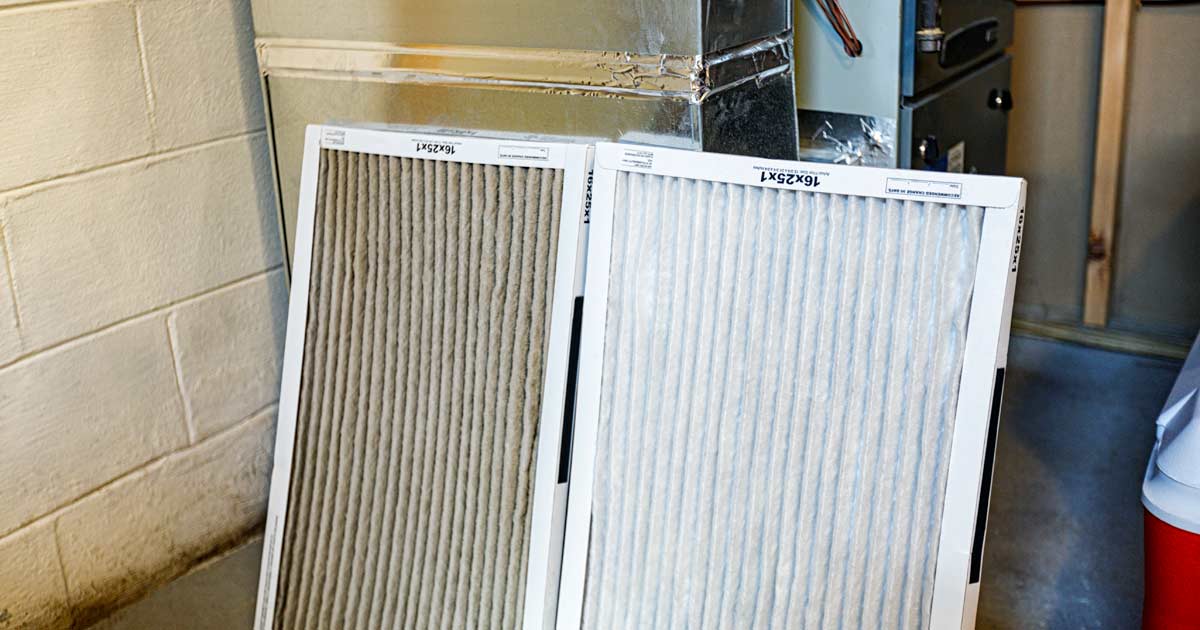
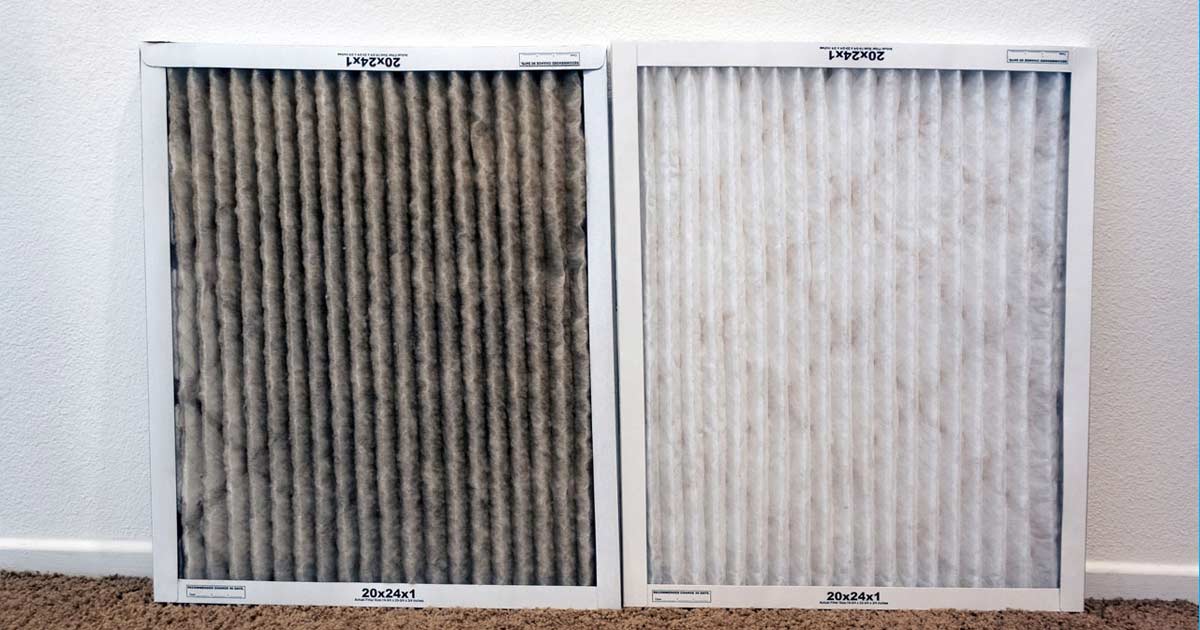
- Filter condition is the one lifespan factor a homeowner or renter can control directly, and a clogged filter accelerates wear rather than just filtering less.
- Installation quality, local climate, and even outdoor air quality in winter (inversions, wood smoke) all shape lifespan as much as the equipment itself does.
What Factors Affect How Long a Furnace Lasts?
Furnace lifespan isn't fixed. The same make and model can last 12 years in one house and 22 in another, and the difference almost always comes down to a handful of controllable factors. Furnace size and installation quality set the baseline the day the system goes in. Local climate and how often the furnace runs add wear over time, especially in colder regions or during smoke-heavy seasons. A poorly maintained, humid basement can damage components.
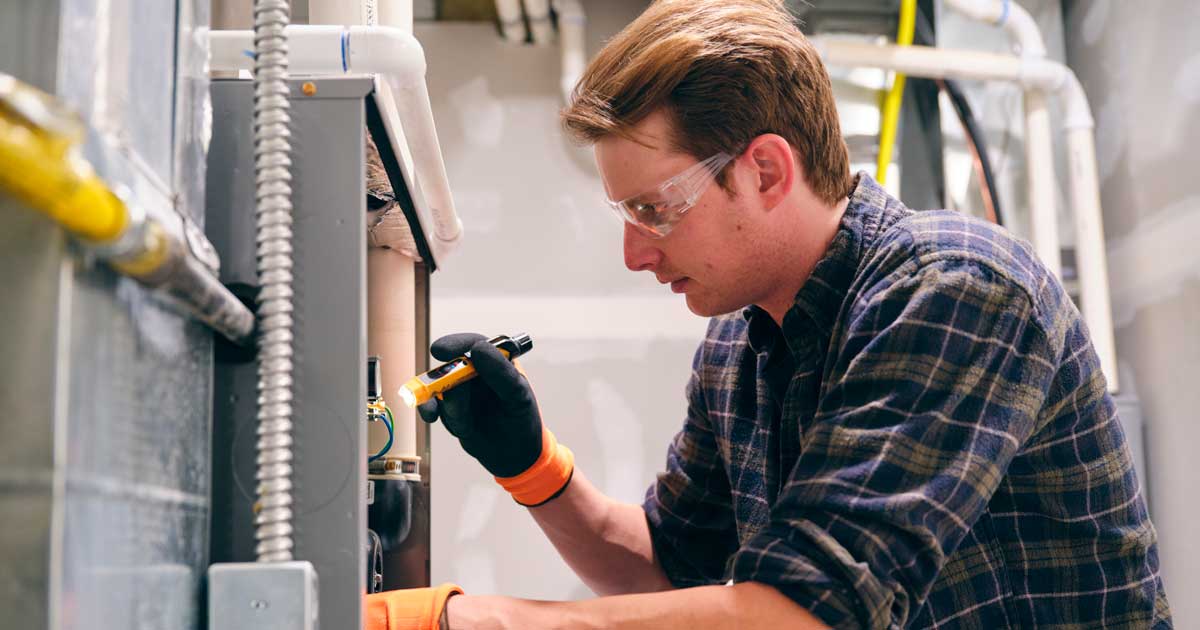
A regular maintenance schedule with a licensed technician catches problems early, before small issues become expensive ones. But of everything on this list, filter condition is the one factor a homeowner or renter can actually control without calling anyone. A clean, correctly sized furnace filter protects airflow and reduces strain on the system every single day, making it one of the few genuine DIY levers available for how long your furnace, and your broader HVAC system, ultimately lasts.
Furnace Size and Installation Quality
An oversized furnace cycles on and off too frequently, while an undersized one runs constantly trying to keep up, and both patterns accelerate wear. Installation quality matters just as much: a properly sized system installed correctly by a licensed technician typically takes about a day, while a full HVAC system replacement can take one to three days depending on ductwork changes. It will come as no surprise that rushed or improper installation shortens lifespan regardless of the equipment's quality.
Climate and Heating Usage
Furnaces in cold climates run far more than those in mild regions, adding wear every winter, which contributes to how long furnaces should last in practice. Winter inversions trap pollution close to the ground, and wood-burning stoves add fine particulate matter in rural areas, both accelerating filter clogging much like wildfire smoke does in warmer months. See our guide to indoor air quality testing and filter solutions for more.
Furnace Maintenance and Filter Replacement
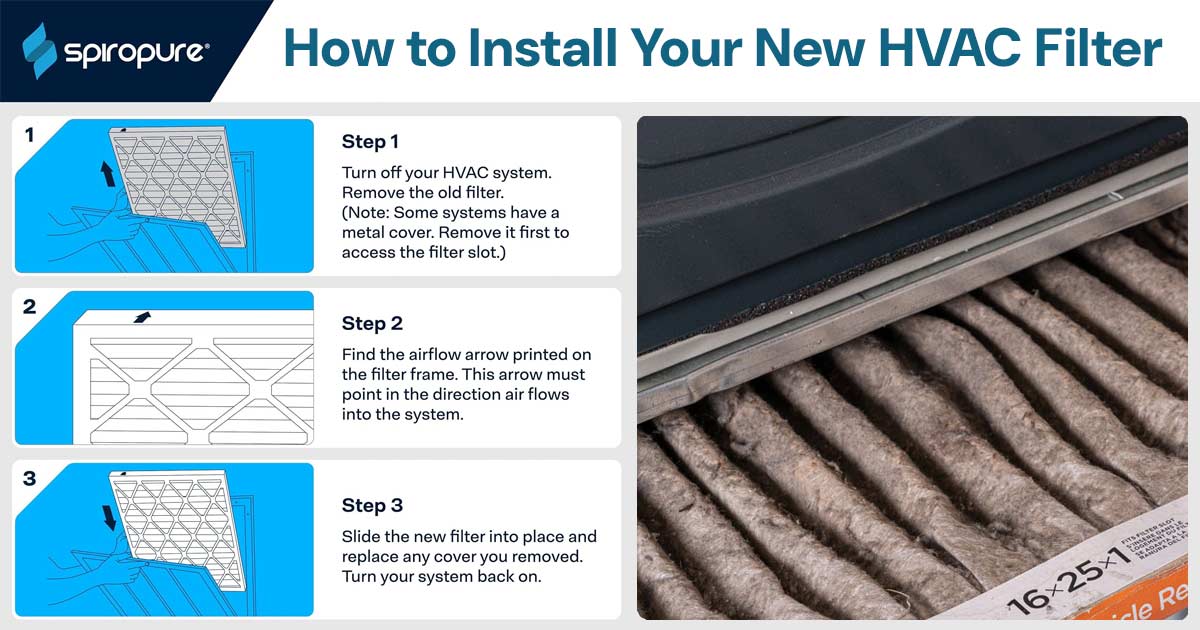
Dirty or clogged filters restrict airflow, forcing the blower to work harder and shortening the furnace's usable life. Staying current on furnace filter replacement is the simplest maintenance task available, and pairing it with a professional tune-up on schedule protects your investment. See our guide on how often to replace your furnace filter for a complete schedule by type.
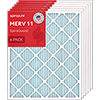
24x30x1 MERV 11 Air Filters (12 Pack)
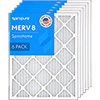
20x25x1 MERV 8 AC & Furnace Filters (6 Pack)
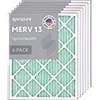
16x20x1 MERV 13 AC & Furnace Filters (6 Pack)
Average Furnace Lifespan by Type
Furnace type affects how long a furnace typically lasts, even when maintenance habits stay the same. Gas furnaces are the most common residential option and typically last 15 to 20 years, with combustion components like the heat exchanger eventually wearing down from repeated heating cycles.
Electric furnaces historically last longer, commonly 20 to 30 years, because they have no combustion process and fewer parts subject to that kind of wear. On the other hand, they can cost quite a bit more to run in colder climates, since electric heat typically costs more per unit than gas and the system needs to run longer to keep up with demand.
Oil furnaces generally last 15 to 25 years, a bit longer than gas systems on average, but require more frequent maintenance since oil combustion produces more soot and residue that can clog components faster.
Propane furnaces perform similarly to gas furnaces in terms of lifespan, usually 15 to 20 years, with efficiency and longevity depending heavily on maintenance and filter care regardless of fuel type.
Across every furnace type, how long a house furnace lasts ultimately comes down to the same fundamentals: airflow, maintenance, and usage. Model tier doesn't guarantee a longer lifespan on its own. Premium products might last longer than their budget-friendly counterparts when they are installed and maintained properly, though variable-speed motors, insulated cabinets, and other complicated parts can make repairs more expensive or more frequent.
Expert Recommendation and Why Buy Furnace Filters from All Filters?
The single most useful habit for extending furnace life is also the simplest: replace your filter on schedule and don't let it go past due. A clogged filter restricts airflow, raises energy costs, and puts unnecessary strain on the blower motor and heat exchanger, the same components that determine how often a furnace should be replaced in the first place.
All Filters carries furnace filters in a wide range of sizes, MERV ratings, and depths, including 1-inch, 2-inch, 4", and whole-house media formats, so finding the correct fit for your specific system is straightforward. Look for genuine OEM filters in whole-house sizes, plus multipacks of SpiroPure replacement furnace filters in both standard and custom sizes. Combined with a professional tune-up on schedule, consistent filter care is how homeowners get the full lifespan their furnace was built to deliver, and sometimes more.