Which Way Should the Arrow Point on a Furnace Filter at Home?
 Andrew
October 13, 2026
#acfilters
#arrow
#furnacefilters
#HVAC
#hvacfilters
#maintenance
#replacementfilters
Andrew
October 13, 2026
#acfilters
#arrow
#furnacefilters
#HVAC
#hvacfilters
#maintenance
#replacementfilters
How Does Airflow Direction Work in a Furnace?
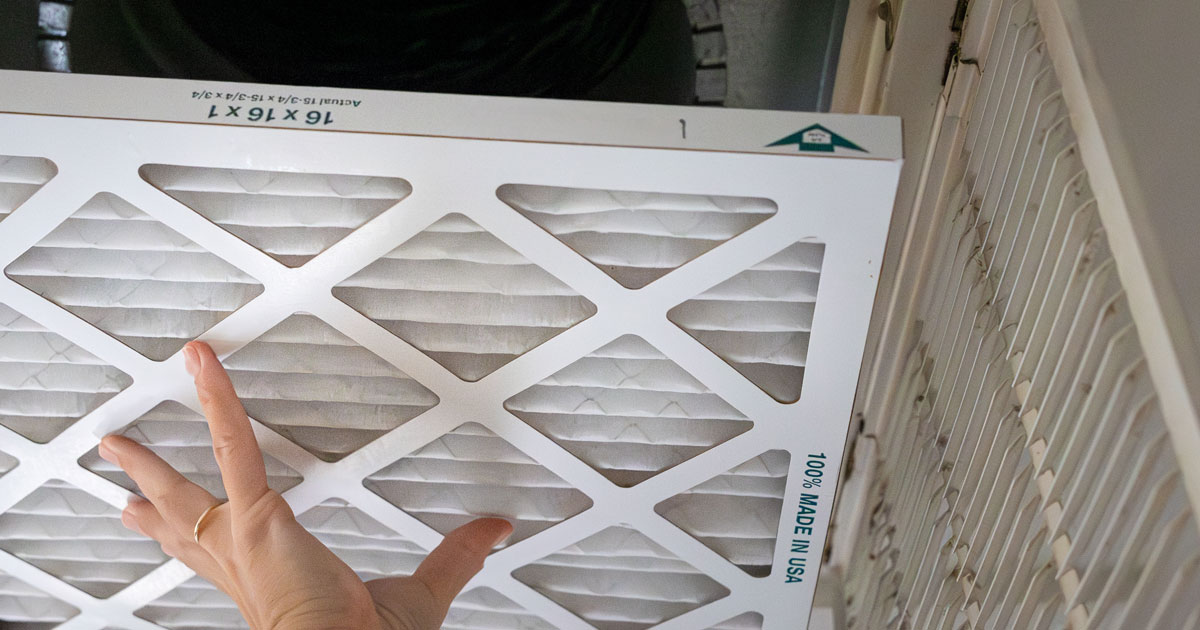
Quick Answer: Which Way Does the Arrow Point on a Furnace Filter? Toward the equipment, in the direction air is already flowing, up, down, or sideways depending on your setup.
Air in your home moves in a loop: Room → Return Vent → Filter → Blower/Furnace → Supply Ducts → Room. The "return side" is wherever room air gets pulled back toward the furnace, whether a hallway grille or the cabinet next to the unit. Your filter sits in that return path, like some Assyrian Lamassu deity proclaiming “none shall pass” to the malevolent energies in the air we call dust and dander. The arrow marks which way air is already headed, not a suggested direction. Supply air, the warmed or cooled air coming back through separate ducts, never passes a filter, so unless you’re in the Hundred Years’ War in the Battle of Agincourt under heavy longbow fire, you'll only ever have one arrow to worry about.
Which Way Should the Furnace Filter Arrow Point in Different HVAC Setups?
The direction depends on your setup. Match yours below:
| Furnace / Filter Setup | Arrow Direction |
|---|---|
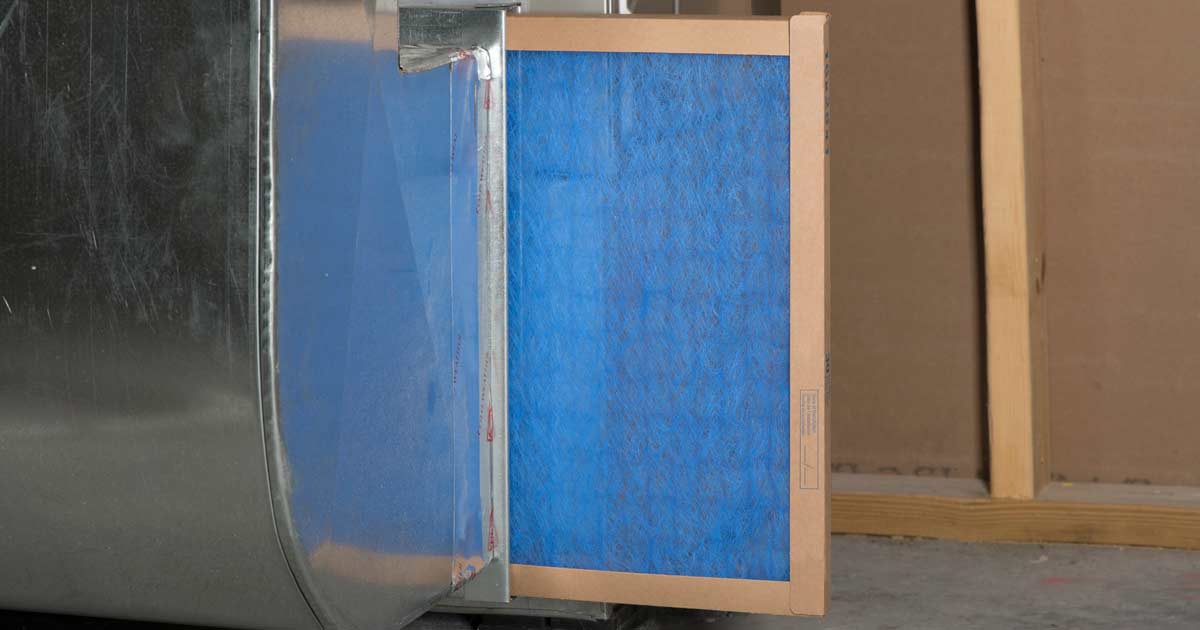
| Upflow furnace | Up, toward the furnace/blower |
| Downflow furnace | Down, toward the furnace/blower |
| Horizontal furnace | Sideways, toward the blower end of the unit |
| Wall return grille | Into the wall, toward the ductwork |
| Ceiling return grille | Up, into the ceiling ductwork |
| Floor return grille | Down, into the floor ductwork |
A horizontal furnace is one installed on its side, usually in an attic or crawlspace, so air moves end to end instead of straight up or down. The rule doesn't change, just the physical direction. It may seem like Inception dream physics, but they’re actually fairly common. (Though they might be slightly more expensive.)
What If Your Furnace Filter Does Not Have an Arrow?
Not every filter prints one. Check the packaging or a label for the word "airflow," or the manufacturer's site if you no longer have either. Many pleated filters have a reinforced or wire-backed side; that side faces the furnace, since it resists collapsing under suction. When uncertain, your HVAC manual beats guessing from appearance alone.
What Happens If You Install a Furnace Filter Backwards?
A backward filter won't damage your furnace in one cycle, but it works against you over time: reversed airflow restricts flow, reduces particle capture, and forces your blower to work harder. That strain can mean higher energy use and, over time, more wear on HVAC components. Worth correcting at your next filter check, not an emergency mid-season.
Once you know which way air moves through your setup, the arrow stops being a guessing game, and your next furnace filter install takes seconds. Race you to the finish.
FAQs on Which Way Does the Air Flow Arrow Point
Which way does the arrow on a furnace filter point?
What happens if I install a furnace filter backwards?
How do I know if my air filter is in backwards?
Which way does an air filter go in a ceiling return vent?
Does arrow direction change for a horizontal furnace?
RELATED PRODUCTS

1" AC & Furnace Air Filters
Standard and custom sizes to get the right fit for your HVAC or furnace system.
Cleaner, fresher air in your home!
Free Shipping & MORE savings with Case Packs!

2" AC & Furnace Air Filters
2-inch thick air filters in standard and custom sizes for geothermal, AC, furnace, HVAC systems and more!
Efficient, Effective Air Filtration
Save MORE with Super Value Case Packs!

4" AC & Furnace Air Filters
Find 4" thick air filters in standard and custom sizes for your home HVAC or furnace system!
Breathe fresher, cleaner air at home!
BIG Savings with Case Packs!