Why Does Tap Water Taste Like Dirt? Drought, Wildfires, and Water Quality Explained
 Andrew
October 08, 2026
#airquality
#contaminants
#drought
#filterreplacement
#waterconfidence
#waterquality
#wildfire
Andrew
October 08, 2026
#airquality
#contaminants
#drought
#filterreplacement
#waterconfidence
#waterquality
#wildfire
- Concentrated Contaminants: Lower water levels can lead to heavy metals, PFAS, and chemicals from farming and other sources becoming more concentrated in the remaining water supply.
- Algal Blooms: Toxic cyanobacteria blooms in warm, shallower water, creating foul-tasting and potentially unsafe water.
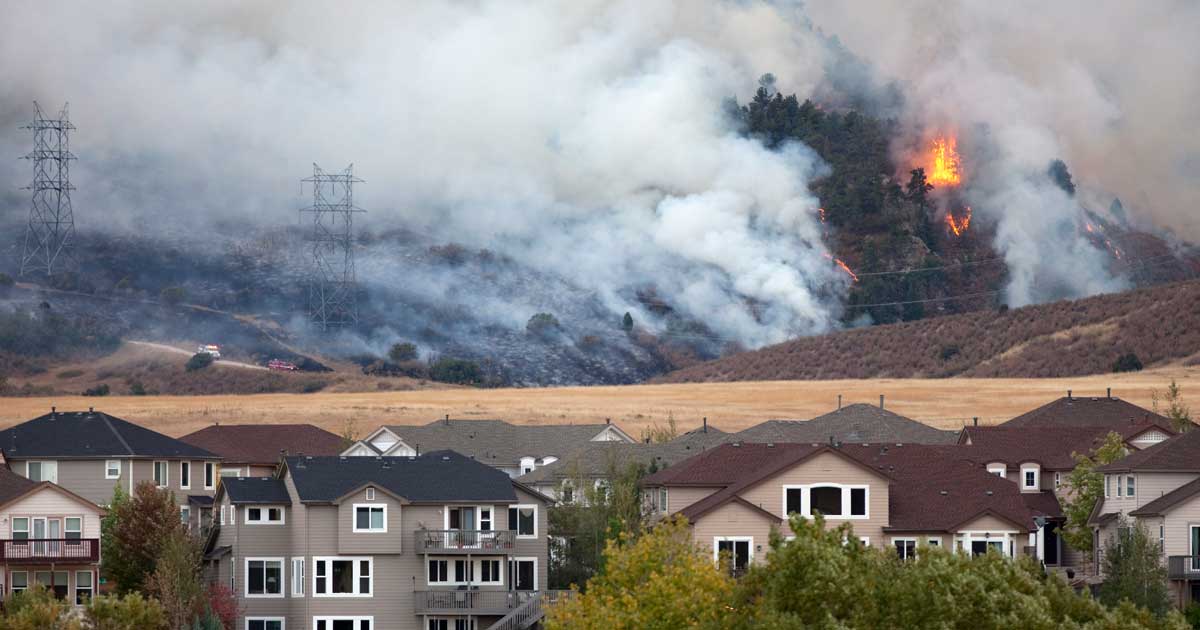
- Wildfire Aftermath: Destructive fires leave behind ash and toxic VOCs that wash into rivers, lakes, and reservoirs during the next rainfall.
- The Solution: When your municipal treatment falls behind, point-of-use (POU) home filtration such as under-sink reverse osmosis systems add an extra layer of protection for drining water.
If your tap water tastes a little like dirt, you're not imagining it, and you're not alone. By September of 2026, nearly half the US and Puerto Rico reported drought conditions following the warmest June–August on record. So what's going on?
As the climate evolves, many areas of the United States are experiencing shifts in both water quality and water access. Drought is often associated with the West and, in particular, the Southwest, but water access concerns can affect just about anyone. On top of that, water quality is a hidden impact of drought: as supply shrinks, it also gets dirtier, concentrated with heavy metals and agricultural runoff. Wildfires and other air quality issues affect drinking water too, and harmful algal blooms and increased chemical disinfection are further areas of concern. So what can the average American homeowner do with this knowledge? Take control with home filtration, layering targeted or broad-spectrum contaminant removal to protect what comes out of the tap.
Access & Shrinking Supply Issues
Before water quality even enters the picture, drought is putting the water supply itself under real strain, and not just in the Southwest.
Periods of prolonged drought affect lakes, reservoirs, and groundwater replenishment throughout the United States. In the summer of 2025, for example, more than 80 percent of New York State was on a mandatory Drought Watch and Vermont and New Hampshire logged record Extreme Drought conditions. Meanwhile, rural wells reportedly ran dry in parts of the Canadian provinces of Ontario and Quebec. Even though Lake Ontario, with its massive freshwater reserve, sits squarely among these regions, atmospheric pressure disrupted the jet stream and the normal pattern of storms that feed rivers and water tables.
Lack of access to water, mandatory limits on water use, and visible signs of dropping water levels should be part of a water authority's ongoing conversation and management plan. While the pressure is more extreme in areas like Phoenix, where federal cuts to Colorado River water will require its city planners to supplement with freshwater from other sources, drought and other environmental issues such as wildfires can affect access to water and create water quality concerns anywhere in the US. Americans are experiencing the reality of drought, whether residents with drying wells, farmers losing irrigation flow, or entire cities on mandatory limits.
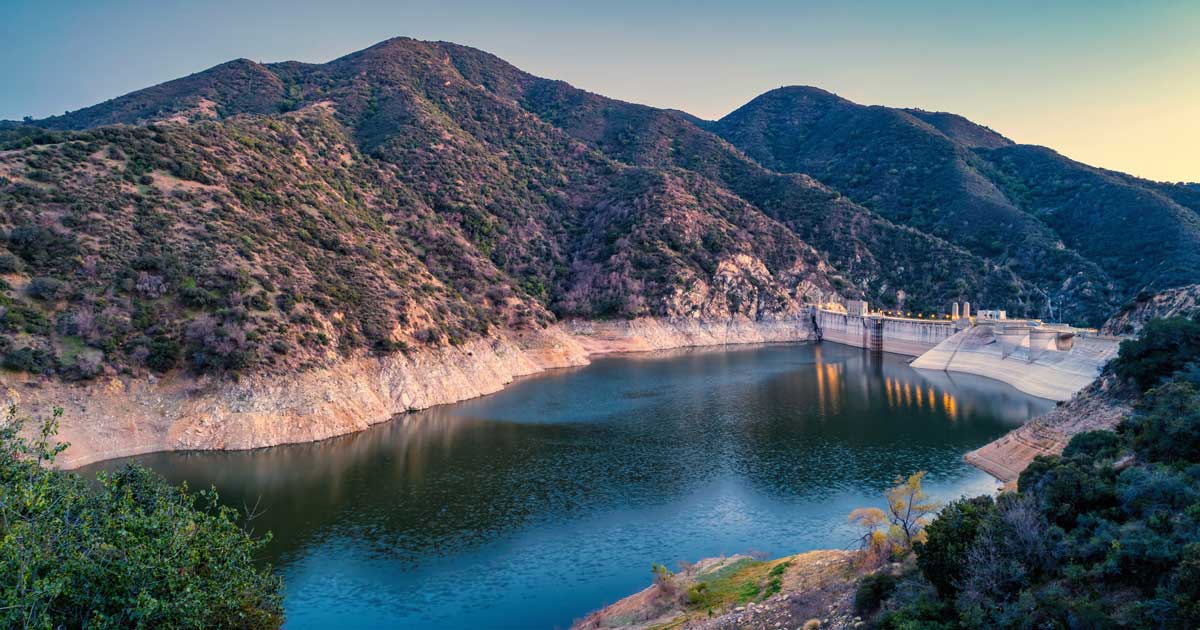
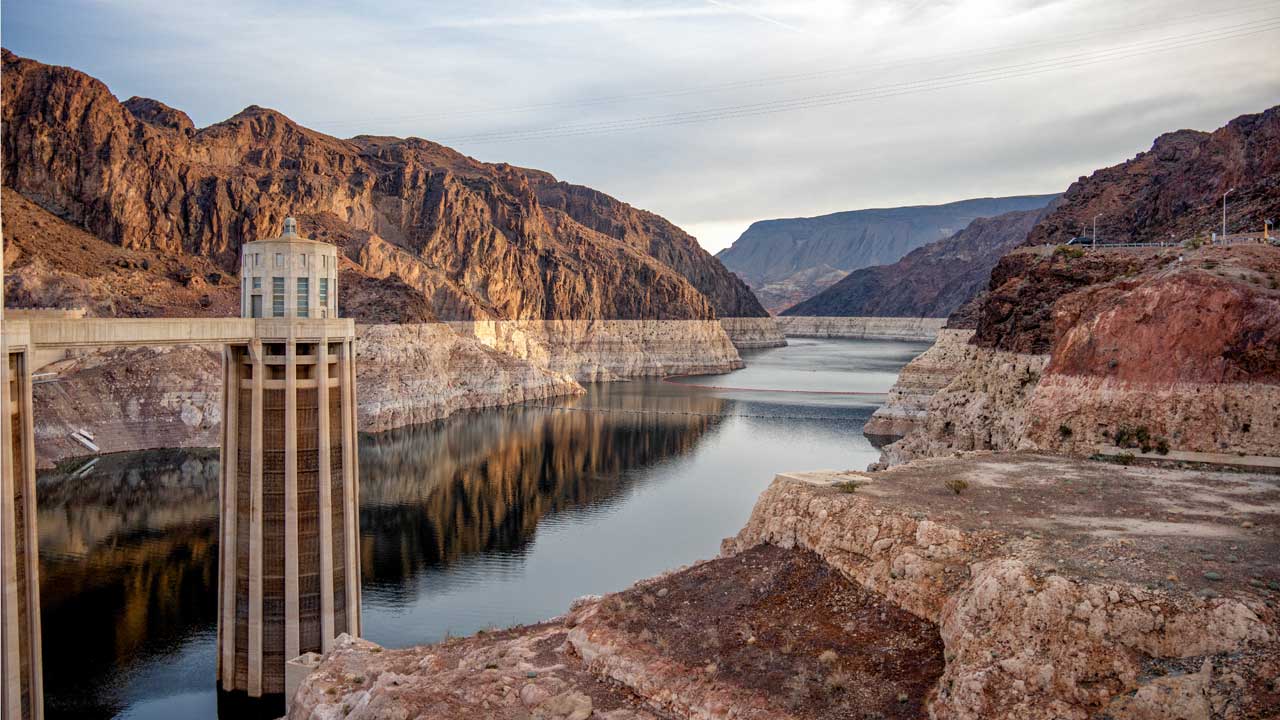
To take a major example, more Americans are thinking about Lake Mead these days, and it's not because tourism to the iconic Hoover Dam is booming. Instead, America's two largest reservoirs (Lake Mead and Lake Powell) have dropped precipitously, part of a water basin serving approximately 40 million people. While cities, states, Tribal nations, and the federal government go to work addressing Colorado River management, your own home's water quality may already be affected, including in the water quality concerns explored next.
Here are some numbers:
Private Wells:
- Up to 1 in 5 of U.S. wells are at risk of running dry with groundwater depletion, with instances of shallower wells already going dry in the Western US.
- According to the United States Geological Survey, groundwater supplies about a third of US public water systems and provides drinking water for more than 90% of rural Americans not on a municipal system.
Municipal Systems:
To take a major example, more Americans are thinking about Lake Mead these days, and it's not because tourism to the iconic Hoover Dam is booming. Instead, America's two largest reservoirs, Lake Mead and Lake Powell, have fallen to some of their lowest levels in decades, and are part of a water basin serving approximately 40 million people. While cities, states, Tribal nations, and the federal government go to work addressing Colorado River management, your own home's water quality may already be affected, including in the water quality concerns explored next.
- Lake Mead and Lake Powell, the two largest US reservoirs, hit all-time record lows in summer 2026.
- Denver Water declared a Stage 1 drought and mandatory restrictions in March 2026 after a 40-year low in snowpack, followed by an enforceable watering ban starting October 1.
Water Quality Concerns (Hidden Drought Impacts)
While the word "drought" immediately calls to mind a lack of water, drought also causes a decrease in water quality. Water quality decline is a hidden, and often overlooked, impact of drought — and it takes many forms.
Why does drought make tap water dirtier?
Drought means less water, but it doesn't necessarily reduce the pollution flowing into that water. Agricultural byproducts, naturally occurring metals, and other contaminants end up concentrated in lower-volume reservoirs and aquifers rather than diluted. This is one reason drought-stressed communities often notice their water tasting different, even "dirtier," even though it's still being treated to the same regulatory standards as before. If you're asking, "Why does my tap water taste like dirt?" — the answer often comes down to concentration: sediment, nitrates, and pesticides, along with heavy metals, may register in higher concentrations than during wetter years, especially in private wells.
How do wildfires impact drinking water?
Drought and wildfire go hand in hand. Dry vegetation in parched soil becomes fuel. Fire means more risk to the water supply downstream. When a wildfire burns through a watershed, it strips away the vegetation and topsoil that normally hold rainfall in place. The next rain then carries ash, sediment, and nutrients straight into the reservoirs and rivers that drought has already drawn down, sometimes overwhelming treatment systems built for cleaner source water. The EPA documents how wildfires can also damage pipes and treatment infrastructure directly, such as in the 2018 Camp Fire in Paradise, California, where degraded plastic water pipes released benzene and other volatile organic compounds into the municipal system.
What are Harmful Algal Blooms (HABs)?
Cyanobacteria, or blue-green algae, thrive in warm, shallow, nutrient-rich water. In other words, what lakes and reservoirs become during droughts. The EPA's HAB forecast season typically runs from April through November but has been starting earlier and lasting longer as basins warm. In 2026, Cayuga Lake in New York State recorded its earliest confirmed bloom. Blooms cause the foul taste and odor many people associate with "bad" tap water, and in more severe cases they produce cyanotoxins that water managers must test for and remove. More organic matter in the water from a bloom often means utilities deploy more chemicals to disinfect it, which leads to the next challenge.
Increased Chemical Disinfection (The Chlorine Problem)
When source water carries more organic matter, whether from algal blooms, wildfire ash, or agricultural runoff, utilities have to add more chlorine (or chloramine) to treat it. The extra chlorine reacts with organic matter to form disinfection byproducts (DBPs). The two primary DBPs the EPA regulates are trihalomethanes (THMs) and haloacetic acids (HAAs). A heavier disinfection burden sparked by drought can also affect the taste and smell of tap water even when it remains within legal thresholds. Learn more about DBPs in the Environmental Working Group's Tap Water Database.
Air Quality
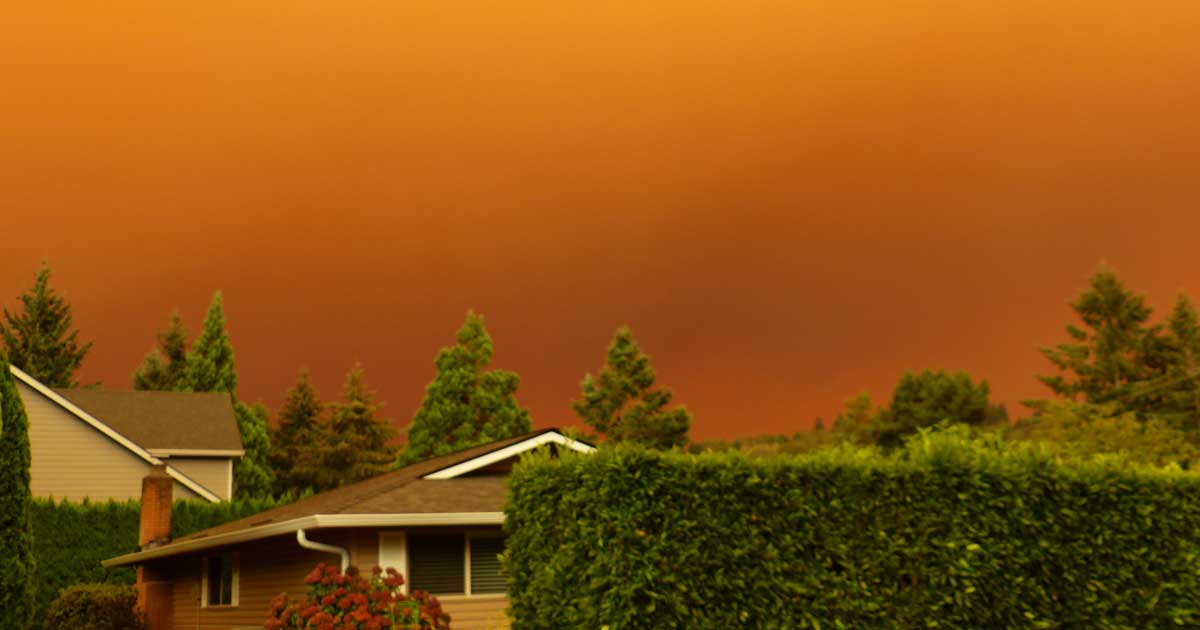
Drought means dry, dusty conditions or landscapes more prone to sparking a wildfire. The consequences for human health and property can be major. The wildfire on Maui, Hawaii, devastated the coastal town of Lahaina thanks to hurricane-force winds, invasive grasses on fallow lands, and severe drought. In Utah, wind stirs up toxic dust from the drying Great Salt Lake's lakebed, which further migrates into the mountains and lands on snowfall, leading to accelerated melting and reduced snowpack. In July of 2026, smoke from Canadian wildfires floated hundreds of miles to Duluth, Minnesota, and caused an astonishing 24-hour air quality index (AQI) spike to 934 PM2.5, a "no safe exposure" level. The city's previous record was 159. More than 100 million Americans received air quality alerts at the event's peak.
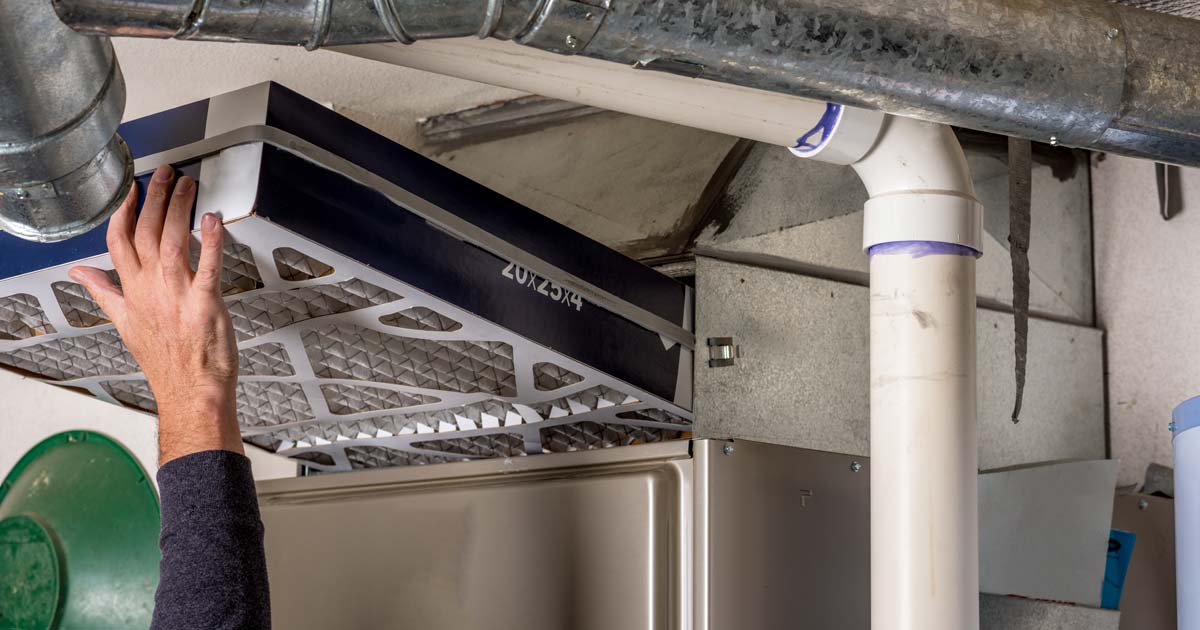
We’ve discussed wildfires and their impact on outdoor and indoor air quality in Best Air Filter for Wildfire Smoke and Do Air Conditioners Filter Smoke? and it’s important to keep this threat in mind when considering water quality concerns as water and air quality are often tied together. These articles speak to checking your home for air leaks, the upgrade to MERV 13 filters if your HVAC system allows it as well as regular filter changes or stand-alone air purification in high-use rooms.
Taking Control — Why Home Filtration Is the New Standard
Our blog is filled with tips and products for improving your quality of life at home and at work through air and water filtration. It also helps you navigate your water authority's Consumer Confidence Report. This story is about the many ways drought and other climate and environmental changes, whether acute seasonal events or trends over time, are changing the way everyday Americans live. Below are three ways to take control at home. Keep in mind that these solutions often work best in combination.
Point-of-Entry (POE) Upgrades for Whole-House Protection
A whole-house, point-of-entry (POE) system treats the flow of water entering your home. That matters for managing everything from sediment and chlorine or its byproducts to VOCs and heavy metals you don't want showing up at any faucet. For households on a private well or a municipal system under strain, a whole house water filter for heavy metals and other contaminants is often the most comprehensive first step, since it protects your plumbing and appliances along with your drinking water.
Under-Sink Water Filter Systems
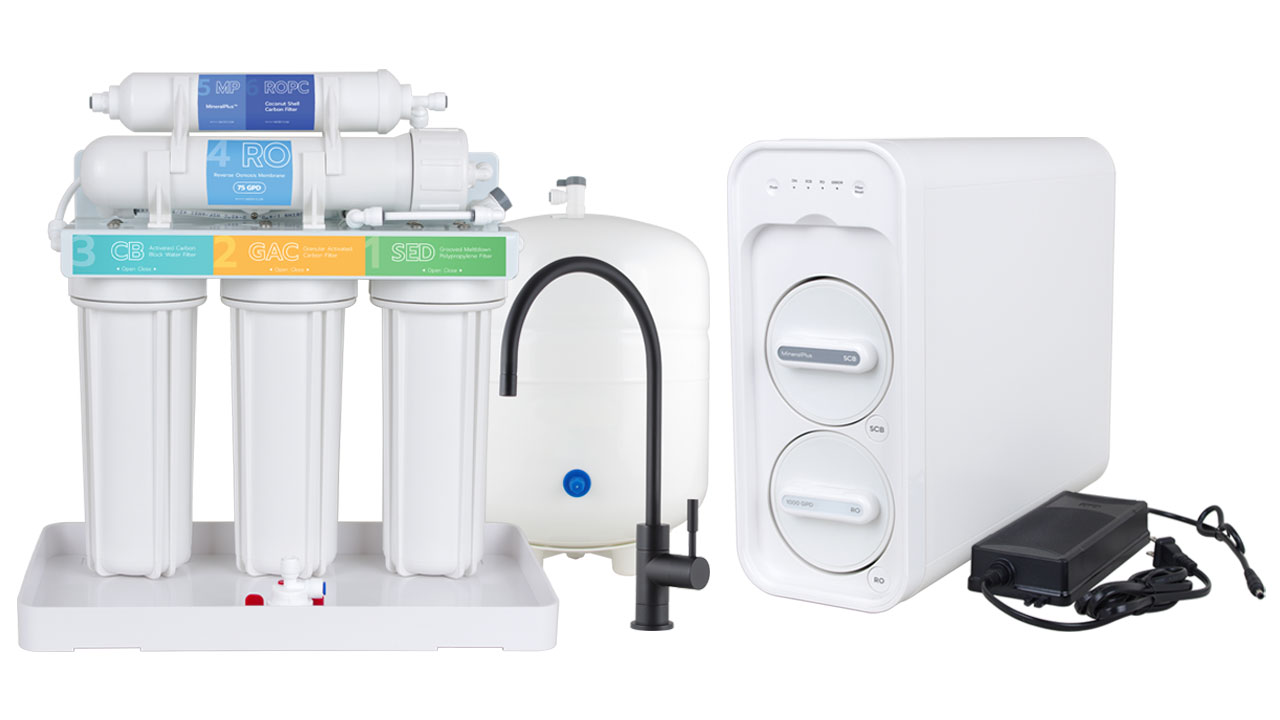
For more targeted, higher-performance treatment right where you drink and cook your food, under-sink systems, especially reverse osmosis (RO), are a top option. RO membranes are built to remove a broad range of contaminants, including the DBPs, heavy metals, and chemicals that become more concentrated during drought, making an under-sink reverse osmosis system a smart layer even in a home that already has whole-house filtration in place. Even simple carbon-block refrigerator filters can help improve water quality, particular water aesthetics like reducing bad taste and odor.
In short: point-of-entry protects everything the moment water enters your home; point-of-use, like an under-sink system, protects what you actually drink and cook with. Many households layer both.
Consistent Filter Replacements and Cost Considerations
Whichever systems you choose, none of these filters work indefinitely. Filters lose capacity as they capture more sediment, chemicals, and metals, and a heavier-than-normal drought, wildfire, or algal bloom may result in a higher contaminant load. Keep a spare set of replacement filters on hand and stick to your manufacturer's replacement schedule by setting a calendar reminder or signing up for email notifications. For a deeper dive into cost considerations, see our bottled water versus reverse osmosis comparison. And be aware that peak air pollution events can also obligate more frequent furnace filter replacements.
Questions of climate change broadly and drought specifically are part of a full range of complex global issues that affect people and communities differently. And recurring climate patterns like El Niño bring additional weather challenges and opportunities, depending on the location. But increasingly, the outcomes are felt locally, in homes, communities, and businesses of all sizes, every time you turn on the tap or take a breath indoors. By understanding how the environment impacts your water and air quality, you can take proactive, practical steps such as setting up point-of-entry or point-of-use water filtration systems (often in combination with each other), upgrading your HVAC filters when systems permit, adding air purification in high-use areas, and keeping plenty of replacement filters on hand.
RELATED PRODUCTS

Reverse Osmosis Filters
Choose from Tankless RO, Traditional Tank RO Systems, Countertop RO, and more!
Enhanced RO Filters Most TDS!
Check Out Our Remineralization Options!
AC & Furnace Filters
Residential and commercial air filters for air conditioning, geothermal, furnaces, and more!
Breathe Better in Your Home!
Save BIG on Case Packs

Refrigerator Water Filters
Full line of filters available, including Whirlpool, LG, Samsung, Kenmore, Frigidaire, and more!
Drink Purer, Healthier Water!
Super Value Packs Available