Lead Pipe Test: How to Do the Scratch Test at Home
 Andrew
November 04, 2026
#lead
#leadwaterfilter
#magnettest
#pennytest
#scratchtest
- Lead is soft: scratch a pipe with a key or coin, and lead shows shiny silver.
- Lead pipes aren't magnetic. A magnet sticks only to galvanized steel.
- Hidden pipe sections, solder and fixtures can hide lead, so a pipe test is only a clue.
- Only a state-certified lab water test shows lead in your water.
How to Test for Lead Pipes at Home
A lead pipe test starts where water enters your home. The EPA's Protect Your Tap guide is a good companion to the two checks below.
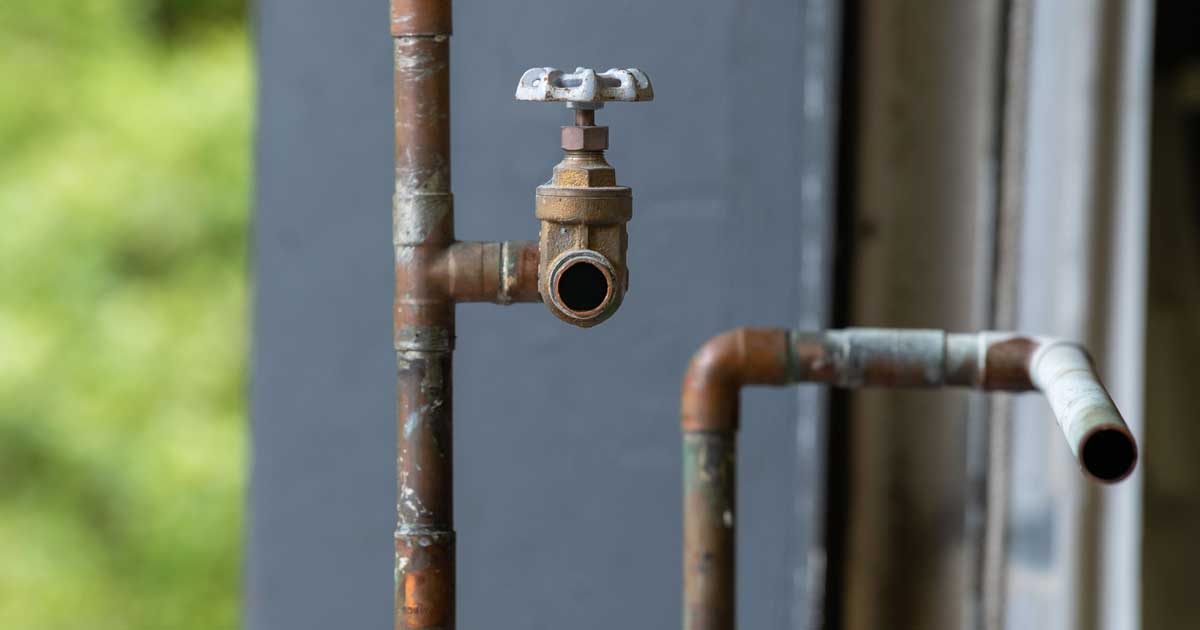
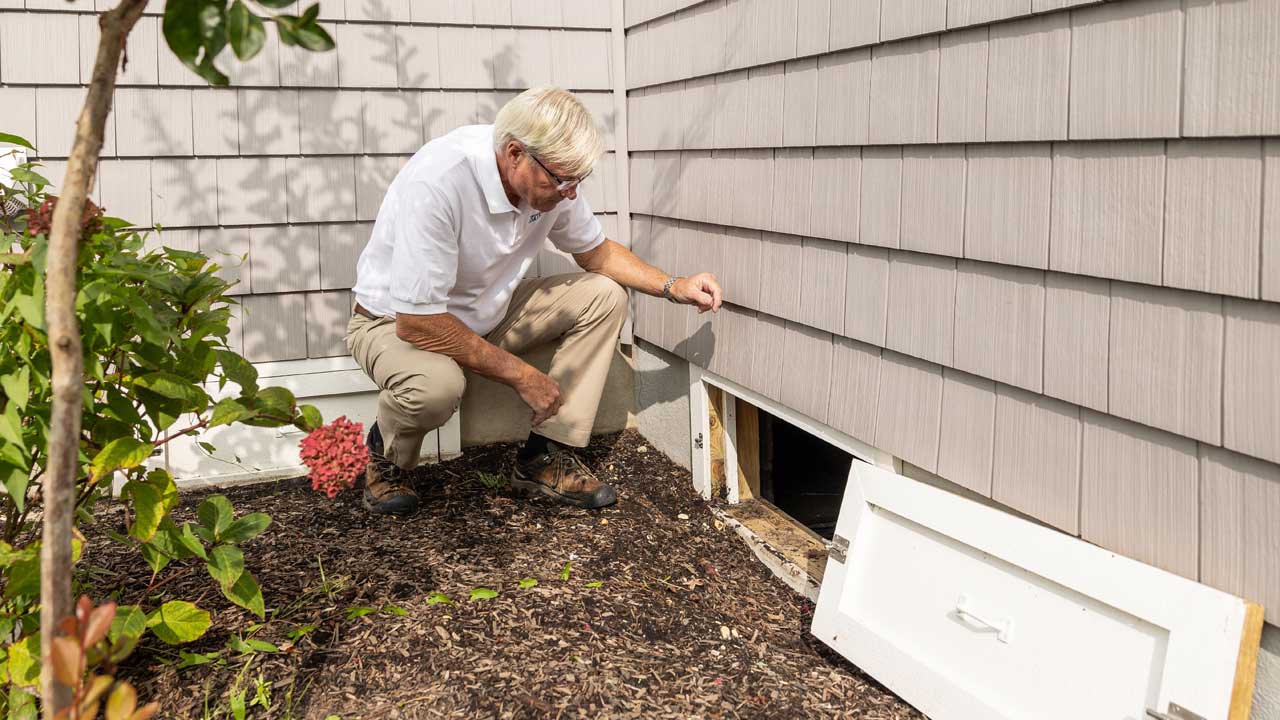
Where to look. Find the water line where it comes through the wall or floor, usually in a basement near the water meter or the main manual shutoff valve. Lead lines are most common in homes built before the 1950s, and the odds fall through the 1980s. Federal law required lead-free pipe and solder starting in June 1986. The water line is buried beneath the frost line several feet and may enter through the street-facing wall, crawl space floor, or even a concrete slab foundation.
What you'll need. A key, coin or flathead screwdriver, a magnet and a flashlight. If the pipe is painted or wrapped, expose a small patch of bare metal with the tip of a screwdriver.
Do the scratch test. Gently scratch the pipe, scraping through any corrosion to reach bare metal. Scratch one small spot. It's helpful to wear disposable gloves for the work or remember to wash your hands. You can use the scratch to tell lead from copper or identify steel pipes.
- Shiny silver and soft: likely lead.
- Penny-colored: copper.
- Dull gray and hard to scratch: likely galvanized steel.
Try the magnet test. Are lead pipes magnetic? No. A magnet won't stick to either lead and copper but galvanized steel attracts it.
Lead is soft and shows shiny silver when scratched. A magnet will not stick to it.
| Pipe material | Scratch result | Magnet |
|---|---|---|
| Lead | Shiny silver, soft | Does not stick |
| Copper | Penny-colored | Does not stick |
| Galvanized steel | Dull gray, hard | Sticks |
Where the Lead Pipe Scratch Test Can Go Wrong
The scratch test only shows the part of the pipe you can see. We mentioned the buried line earlier because of the challenge homeowners face identifying the source of lead in their water if it shows up in water tests. For example, a previous owner could have DIY replaced the pipe coming into the house to a point because of a leak near the valve, but replaced only a segment because of the difficulty of digging up the entire line.
Hidden or replaced sections. A line can mix metals if parts were replaced, and the buried stretch is out of reach. A partial replacement can leave lead near the connection.
Galvanized steel after lead. A magnet that sticks means galvanized steel, but that isn't the end of the story. If lead pipe sits upstream, galvanized pipe can trap lead particles and release them into your water later.
Solder and fixtures. Before 1986, plumbing solder typically contained about 50 percent lead, and today's "lead-free" fixtures may still contain up to 0.25 percent.
What to do next. Ask your utility whether your service line is in its inventory (renters, ask your landlord), send it a photo of your pipe, or call a licensed plumber.
How to Test for Lead in Water at Home
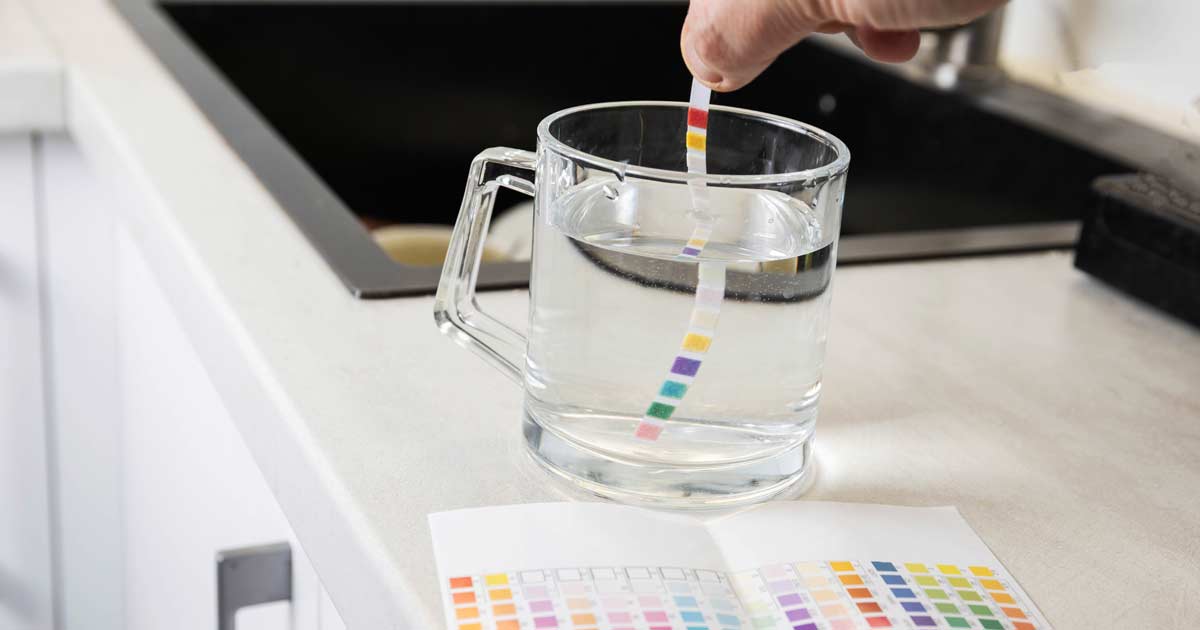
A lead pipe test tells you what your pipes are made of, not what is in your water. The EPA says testing is the only way to know for sure. Unfortunately, inexpensive home test kits may not be sensitive enough and can return a negative result that misses lower levels of lead. Carefully collect samples for a state-certified lab or, if available, your utility's free or low-cost program. Our guide to testing your water at home covers the broader options.
For best results, collect what is called a "first-draw" sample after the water has sat for at least six hours. Bottle up that first water out of the tap. Some tests use sequential sampling, with multiple bottles to capture water sitting further down the pipes, specifically targeting the service line from the city hookup to the house. Check instructions carefully, and keep in mind that given these variables and water chemistry fluctuations, even one negative result may not be an "all-clear." But it's a good start.
Additional Tips for Managing Lead in Water at Home
Flush before drinking. Run the cold tap about 3 to 5 minutes if you suspect the service line, or a couple of minutes if you suspect only your home's plumbing. Ask your utility for local flushing times. And some experts advise using only cold water for cooking as an additional precaution., as hot water can leach more lead from pipes. Flushing is a stopgap, though, as it doesn't consistently reduce or eliminate lead.
Add a filter or system for lead. Consider a point-of-use reverse osmosis system for comprehensive coverage or inquire with a local water treatment specialist about filters certified to NSF/ANSI 53 for lead. If you pull drinking and cooking water from multiple taps, look for a specialized certified filter for lead at the point of entry for whole-house reduction. Replace cartridges on schedule, since an expired cartridge can be less effective at removing lead. Our NSF certification guide explains the standards.
And be advised that like other serious contaminants, boiling doesn't remove lead. (The confusion comes from boil notices issued when water is microbiologically contaminated.) Now, as for that sense of adventure? We know not all basements are created equal. The term "crawl space" is exactly what it sounds like. But if ever there were a reason to get in there, checking for lead pipes is it.
FAQs about Lead Pipe Test: How to Do the Scratch Test at Home
Are lead pipes magnetic?
What does a lead pipe look like?
Does the lead pipe scratch test tell me if my water has lead?
What if I can't find or reach my service line?
Do refrigerator filters remove lead?
RELATED PRODUCTS
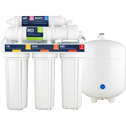
MineralPlus Elite 6-Stage RO Reverse Osmosis System
List Price: $262.54
Our Price: $132.69
Save: $129.85
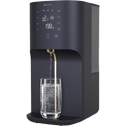
SpiroPure SP-RO500 Instant Hot Water Countertop RO with Remineralization
List Price: $399.48
Our Price: $199.74
Save: $199.74
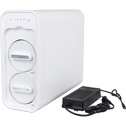
SpiroPure 1000 GPD Tankless RO System with Remineralization SP-RO1000TL
List Price: $656.94
Our Price: $328.47
Save: $328.47