How to Test Your Water at Home: A Comprehensive Guide
 Andrew
April 30, 2026
#consumerconfidencereport
#disinfectionbyproducts
#indicatorbacteria
#lead
#municipalwater
#PFAS
#waterconfidence
#waterqualityreport
#watertest
#wellwater
Andrew
April 30, 2026
#consumerconfidencereport
#disinfectionbyproducts
#indicatorbacteria
#lead
#municipalwater
#PFAS
#waterconfidence
#waterqualityreport
#watertest
#wellwater
- Understand why water testing protects your family's health and when testing becomes essential
- Compare DIY test kits, certified lab analysis, and professional in-home testing options
- Learn what contaminants to test for based on your water source and how often to retest
Home water testing has been around for decades as a resource to private well owners handling their own water treatment and filtration. Those tests provided critical reports on some combination of indicator bacteria, nitrates (the cause of "blue baby syndrome"), and nuisance contaminants. The Safe Drinking Water Act standardized testing beginning in 1974. Today, mail-order home water testing kits are a big business, with services by municipalities and university extensions and, more recently, private companies offering both comprehensive panels and targeted testing such as PFAS. But not all tests are created equal. Learn why and when testing is important, how to test your water at home, and what to test for.
Why Testing Your Water is Important
At its simplest, the reason why testing your water is important is protecting your health. At its most extreme, untreated or improperly treated water can cause serious illness or death. More often, Americans test to manage unpleasant tastes or odors or to reduce and remove chemicals and heavy metals that are not immediate threats, but may have long-term health consequences.
But we should be clear, not everyone needs to test their water. Municipally treated water delivered in modern infrastructure will be microbiologically safe. The only exception will be during an extraordinary event leading to short-term contamination, such as a break in a water main, a major mechanical or electrical failure, or extreme weather events causing flooding that pollutes source water. At these times, water customers will be issued boil advisories.
But there are several reasons to test your water:
- You have reviewed your municipal Water Quality Report (known as Consumer Confidence Reports) and are concerned about emerging contaminants not being tested or the frequency of testing.
- You or someone in your household has underlying health concerns or is immunocompromised and even EPA-approved levels of chemicals, heavy metals, or disinfection byproducts could be a problem.
- Your house or neighborhood is old and potentially leaching lead, rust, or other contaminants into the water supply post-treatment. Lead is a potential issue in infrastructure built before the 1986 Federal ban, but especially before the 1950s when copper started replacing lead.
- You are on a private well, which is not subject to EPA authority and requires private treatment both for safety and aesthetic concerns.
How to Test Your Water Quality
If you have any concerns about your water supply, how it is treated, and what actually comes out of your taps, there are a few steps you can take. On the DIY side, inexpensive home test kits can provide some initial data, while pro-level testing and certified labs add precise measures and clarity about filtration upgrades you can make to correct any issues.
DIY Home Test Kits
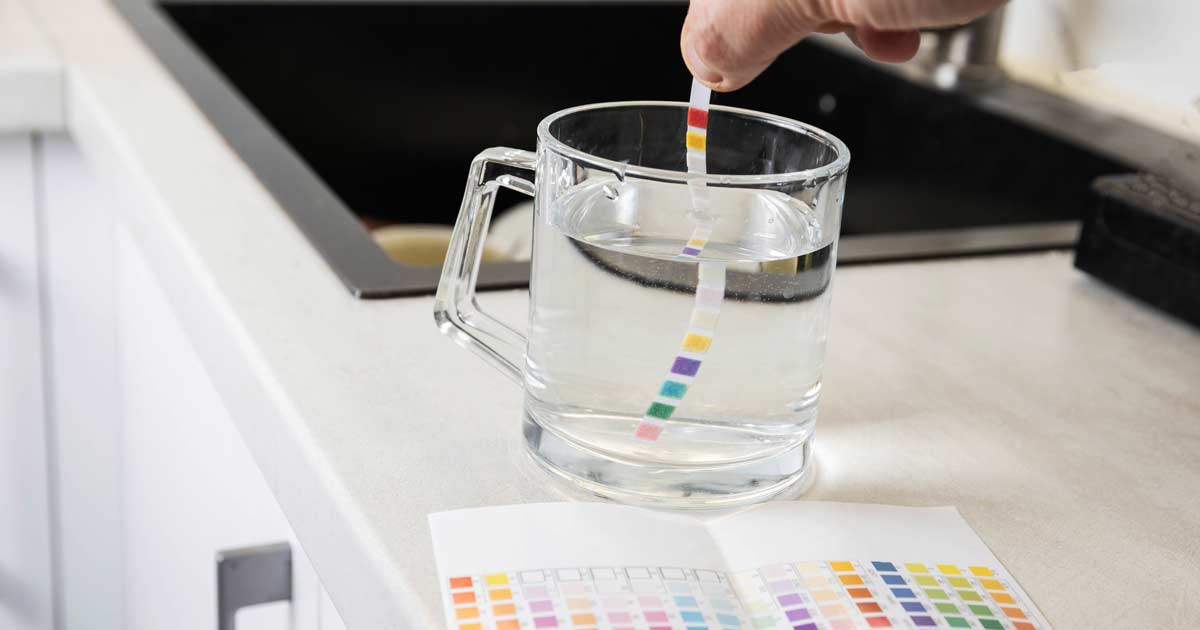
Home water test kits range from simple test strips ($10–$30) to more sophisticated kits with chemical reagents ($50–$150). Most provide results within minutes to hours for common contaminants like pH, hardness, chlorine, lead, bacteria, and nitrates. However, accuracy varies significantly by brand, and test strips often struggle with precise measurements. For detecting low concentrations of serious contaminants like PFAS or arsenic, DIY kits lack the sensitivity of laboratory equipment. Do your homework on DIY tests. There are misleading companies sending out "free" tests to new homeowners that lead to aggressive sales tactics and unnecessary upsells. In some cases, the "tests" are just a marketing ploy to try to sell filtration systems you don't need because the results are not accurate. Look for reputable tests that provide lab analyses within the cost.
Certified Lab Testing
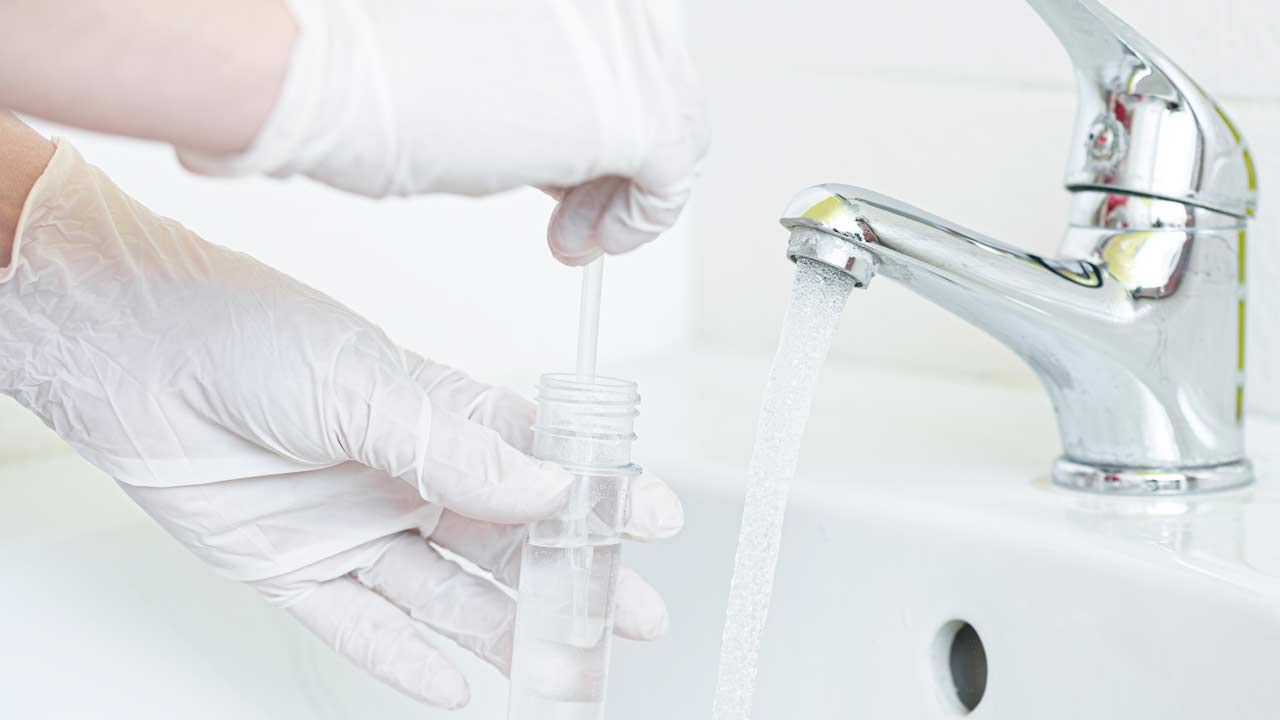
Certified laboratories use EPA-approved methods to detect contaminants at parts per billion concentration. Mail-order kits provide sterile sample bottles and instructions: you collect samples, ship them back, and receive comprehensive results within 7 to 14 days. Basic tests run $50–$150, while comprehensive panels adding PFAS, pesticides, heavy metals, and volatile organic compounds can exceed $400. The accuracy makes certified testing essential for well owners, anyone investigating health concerns, or situations requiring legal documentation. Most labs provide detailed reports explaining what was found, how it compares to EPA standards, and often recommend appropriate treatment methods.

Professional In-Home Testing
In some instances, it may be helpful to invite an expert to your home to collect samples and run tests. Many cities and counties provide these services particularly for private well owners. Customers fill out a water sampling request form and pay a fee corresponding to the tier of testing or quantity of contaminants being tested. Professional testing typically costs $150 to $500 depending on the comprehensiveness of analysis and includes proper sample collection, documentation, and expert interpretation of results.
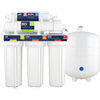
MineralPlus Elite 6-Stage RO Reverse Osmosis System
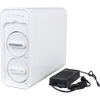
SpiroPure 1000 GPD Tankless RO System with Remineralization SP-RO1000TL

SpiroPure SP-WH300 Whole House Water Filter (Sediment, Carbon, & Descaler)
What Should You Test For and How Often Should You Test Your Water?
The contaminants you test for depend entirely on your water source. City water and well water face distinctly different contamination risks requiring different testing strategies.
For City Water Users
Municipal water undergoes regular testing for dozens of contaminants and must meet EPA standards before delivery. Your water utility publishes an annual Consumer Confidence Report detailing everything detected in your system. Review this report first. It's free and often available online through your utility's website. It can tell you levels of the EPA's primary and secondary drinking water standards or added levels of disinfection products and fluoride where applicable. However, city water testing still makes sense in several situations. Test for lead if your home was built before 1986, especially before the 1950s, or if you've noticed rusty or discolored water. Test for chlorine and chloramine levels if you find the taste or odor objectionable or if you're establishing baseline data before installing water filters. Test for total dissolved solids (TDS) if you're experiencing hard water issues or white residue on fixtures. PFAS and disinfection byproducts like trihalomethanes warrant testing if you live near industrial sites, airports, or military bases. For guidance on treating specific contaminants detected in city water, see our guide to municipal water treatment and home filtration. Whole-house carbon filters and under-sink reverse osmosis are popular filters for homeowners on city water.
City water users should test if home conditions change significantly through construction that impacts plumbing or nearby infrastructure, or if you have a low tolerance for contaminants. Otherwise, check for changes in your water authority's report annually and test if you observe unexpected discrepancies.
For Well Water Users
Private well owners carry sole responsibility for water safety. Test annually for total coliform and E. coli bacteria as these indicate dangerous fecal contamination requiring immediate disinfection. Unlike harmless sulfur-reducing bacteria causing rotten egg odors, coliform and E. coli signal serious health risks.
Test annually for nitrates, which causes blue baby syndrome and enter wells through fertilizer runoff and failing septic systems. Test every 2 to 5 years for heavy metals (arsenic, lead), pH, and volatile organic compounds. Test immediately if you notice changes in water, if a neighbor's well tests positive for contamination, and especially if anyone in your household develops unexplained gastrointestinal illness. For comprehensive guidance on treating well water contamination, including bacteria, iron, sulfur, and chemical contaminants, see our complete well water filtration guide. Sediment, carbon, water softening or descaling, UV, specialized filtration, and under-sink reverse osmosis may all come into play for well owners.
How Often Should You Test
Testing frequency depends on water source and risk factors. For city water users with no concerns, testing every 2 to 3 years can provides baseline monitoring. Consider testing more frequently if you have vulnerable household members (infants, elderly, immunocompromised), live in older housing with potential lead exposure, or notice changes in water quality.
Well water users require more frequent testing due to lack of regulatory oversight. Annual testing for bacteria and nitrates is considered a standard best practice. Increase frequency if you live in agricultural areas with fertilizer and pesticide runoff, near industrial sites or former commercial properties, in areas with known geological contamination, or if your well is shallow (less than 50 feet) making it more vulnerable to surface contamination. New well owners should test comprehensively before moving in.
On the one hand, America's water systems and water treatment practices are an achievement of modern science. But aging infrastructure, poor water aesthetics (taste and odor) from chemical disinfection, and long-term exposure to low levels of certain contaminants understandably lead many homeowners to not only filter their water, but to test it to be sure they're filtering what they need to gain full water confidence.
FAQs on How to Test Your Water
How often should you test your water at home?
How can you test your water for contaminants?
What's the best way to test my water at home?
How do you test water for lead at home?
How accurate are home water test kits?
RELATED PRODUCTS

Reverse Osmosis Filters
Choose from Tankless RO, Traditional Tank RO Systems, Countertop RO, and more!
Enhanced RO Filters Most TDS!
Check Out Our Remineralization Options!

Whole House Filters
The most advanced residential whole house water filter on the market!
Shower in filtered water!

Carbon Filter Cartridges
NSF-certified carbon water filters available in a variety of sizes, media, and micron ratings!
Improve Water Taste and Odor!
Save Even More with Case Packs!