Is Well Water Safe to Drink and What You Should Know
 Andrew
June 18, 2026
#waterconfidence
#watertest
#well
#wellwater
Andrew
June 18, 2026
#waterconfidence
#watertest
#well
#wellwater
- The warning signs that your well water may not be safe
- How to test your well water and when to do it
- Proactive steps to protect your household's water supply
Common Signs Your Well Water Might Not Be Safe
Some contamination problems announce themselves. Changes in water appearance, smell, or taste are worth taking seriously as first indicators that something has changed in your well or the surrounding groundwater. The CDC's drinking water safety guidance specifically flags these sensory changes as prompts for immediate testing:
- Cloudy or discolored water: turbidity, rust-colored water, or visible particles can indicate sediment intrusion, pipe corrosion, or bacterial activity.
- Rotten egg or sulfur odor: hydrogen sulfide gas, often produced by bacterial activity in the well or in iron-rich groundwater.
- Metallic taste or orange staining: elevated iron or manganese, which stains fixtures, laundry, and plumbing over time.
- Oily film or sheen: a possible sign of petroleum product contamination from nearby storage tanks or spill events or sulfur-reducing bacteria.
Potential Contaminants Found in Private Wells
The harder truth is that the most serious well water threats are invisible. Coliform bacteria and E. coli introduced through surface runoff, septic system failures, or damaged wellheads carry no taste or odor but can cause acute illness. Nitrates from agricultural fertilizer applications are colorless and odorless but pose a serious health risk to infants and pregnant women. Naturally occurring arsenic and lead in certain geological formations have no sensory indicators whatsoever but are associated with long-term health effects including increased cancer risk. High mineral content is generally not a health hazard but damages plumbing, appliances, and water heaters over time. Many of these cannot be identified without testing.
How to Test if Your Well Water Is Drinkable
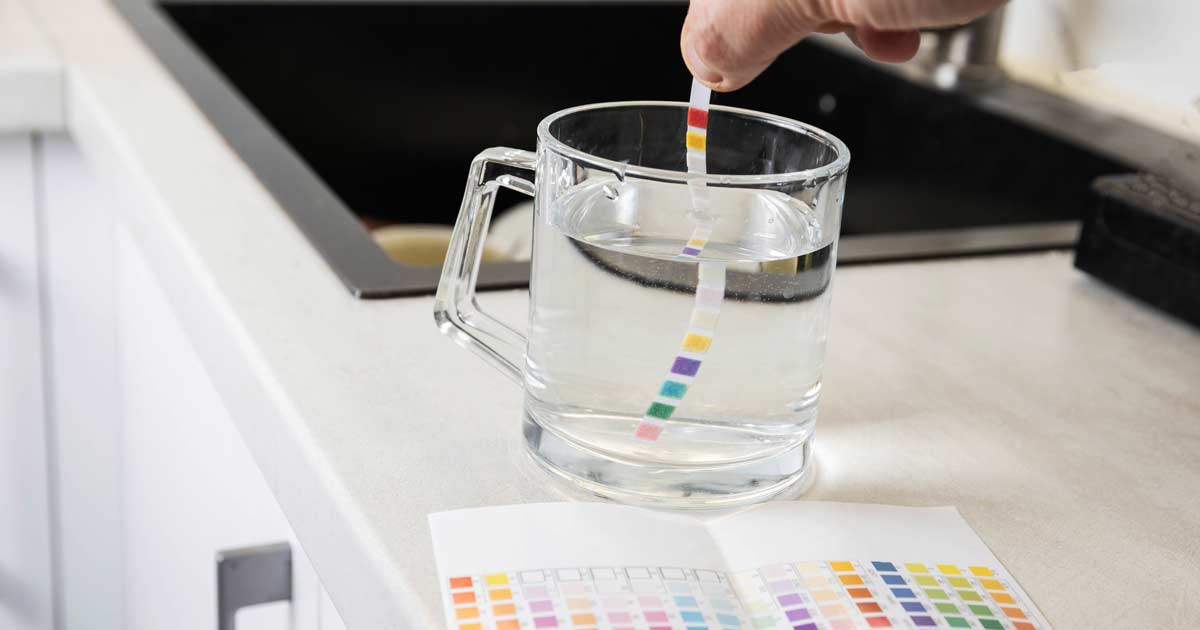
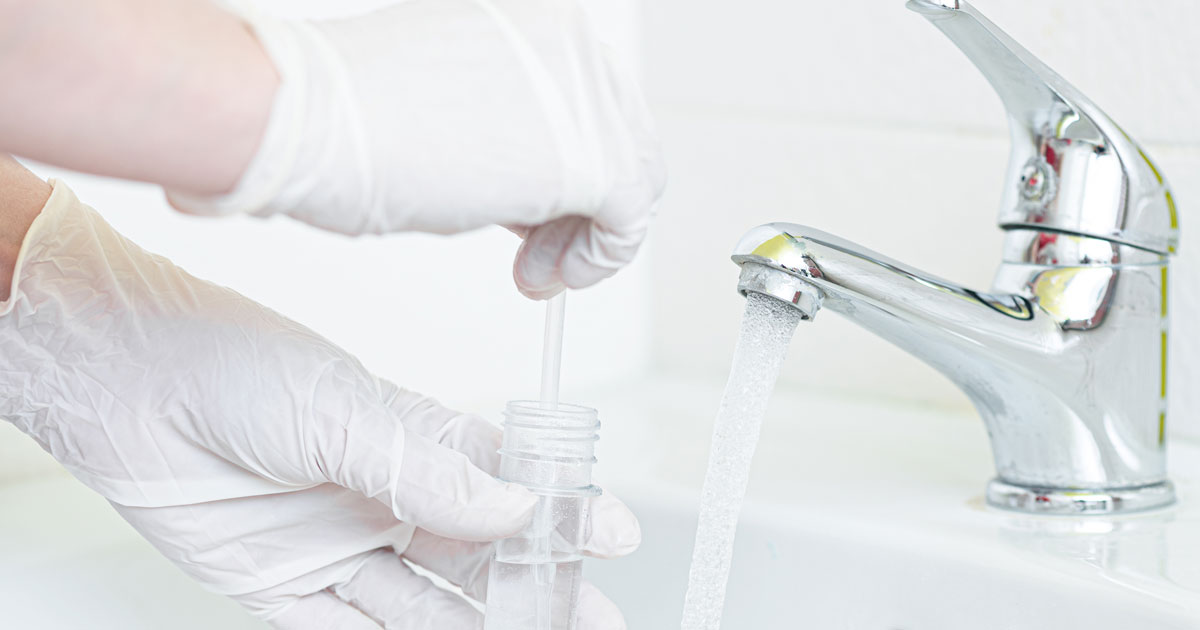
Annual laboratory testing is the only reliable way to know whether your well water is drinkable. The EPA's private wells guidance recommends testing at minimum once a year for bacteria, nitrates, and any contaminants of regional concern. Test more frequently after flooding, heavy construction, agricultural activity, or changes in taste, odor, or appearance.
Certified laboratory testing is more accurate and more comprehensive than store-bought DIY test kits. A complete panel typically covers bacteria, nitrates, pH, hardness, iron, and heavy metals. Your state health department maintains a list of certified labs, and many offer well water test kits by mail. Results from a certified lab are also documentation you can act on.
For a deeper look at testing options and how to read your results, see our guide on how to test your water at home.
Steps to Ensure Your Well Water Is Safe
Testing tells you what's in your water. These steps help keep contaminants out in the first place while providing protection in between test cycles.
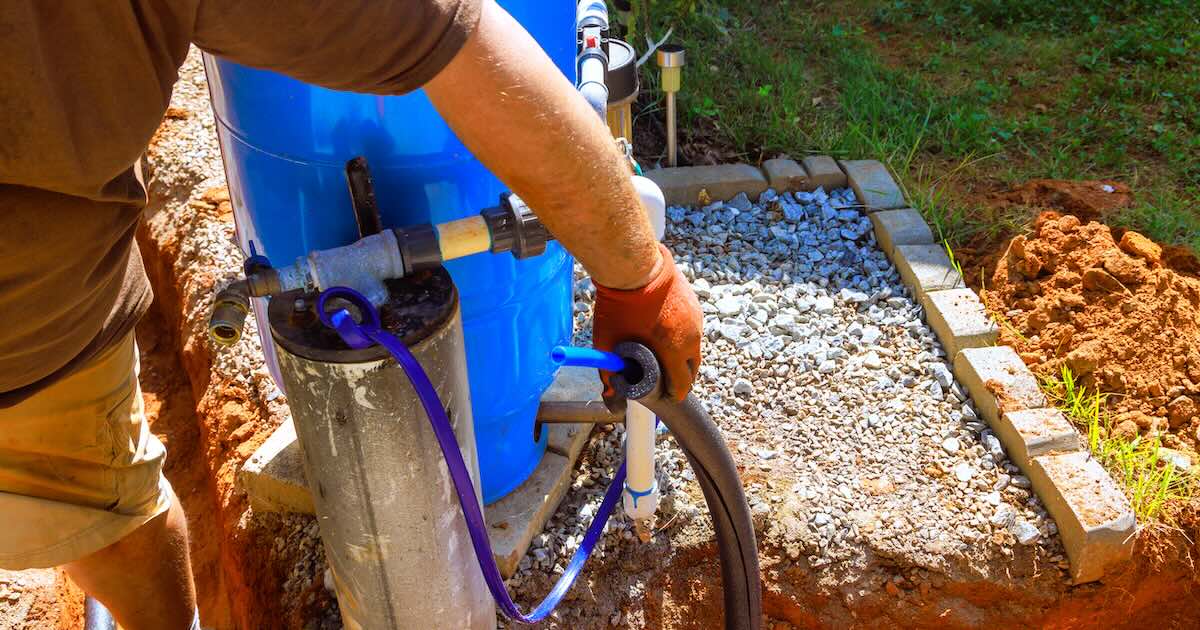
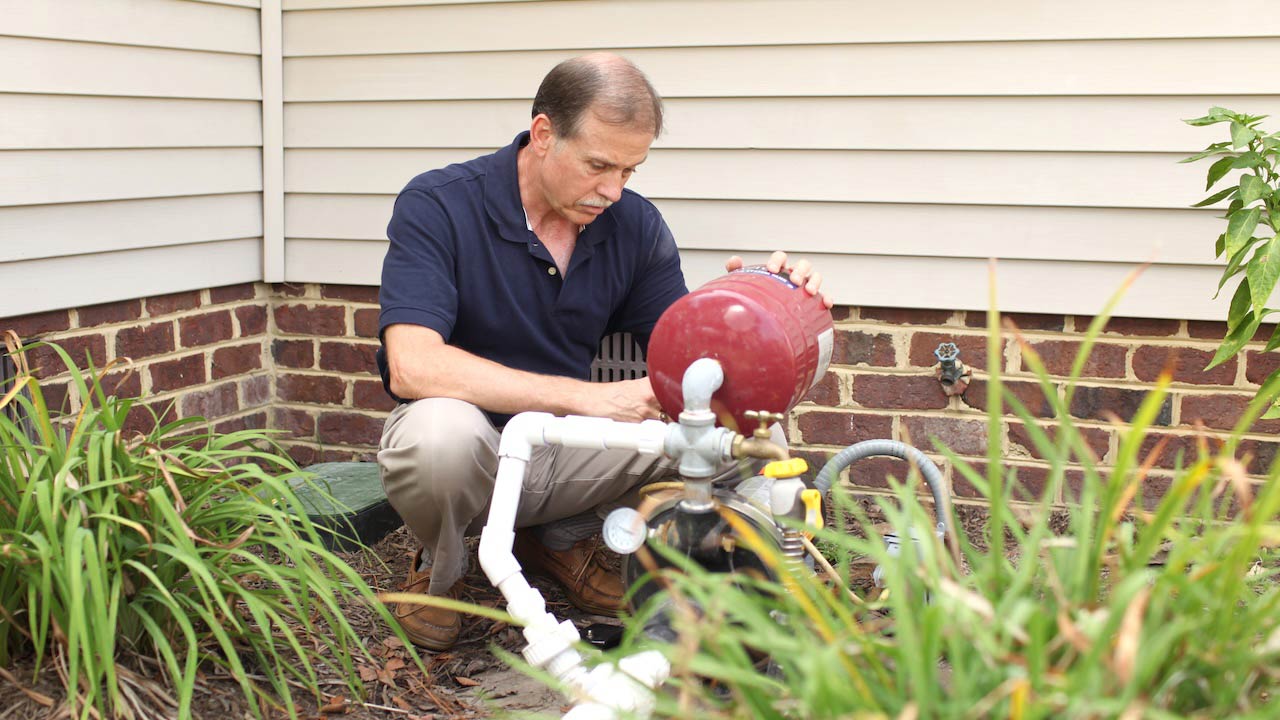
1. Inspect the wellhead regularly. Walk the wellhead area at least once a year. Look for cracks in the casing or cap, gaps where insects or surface water could enter, and any subsidence or erosion around the well pad. After major storms or flooding events, inspect immediately. Surface water intrusion is a leading cause of bacterial contamination in private wells.
2. Manage what's near the well. Maintain a buffer zone around the wellhead, free from pesticides, fertilizers, motor oil, fuel storage, and other chemical hazards. The EPA recommends keeping potential contaminant sources at least 50 to 100 feet away when possible. Septic systems should be inspected on their regular maintenance schedule and kept in good repair.
3. Protect against surface runoff. Grade the ground around the wellhead so water drains away rather than pooling. Concrete or grout seals around the casing should remain intact because gaps are a direct pathway for contaminated surface water to enter the well.
4. Install a multi-stage filtration system. Even a clean annual test doesn't guarantee water quality on every day of the year. Conditions change between tests. Whether whole-house or point-of-use well filter options commonly are combined for continuous protection for sediment, chemical contaminants, and in the case of UV purification, microbiological threats. For a full walkthrough of well-specific filtration options, see our guide on how to filter well water.
FAQs on Is Well Water Safe to Drink
How do I know if my well water is safe to drink?
Can well water make you sick if it is not tested?
How often should well water be tested?
Is it safe to drink well water without a filter?
What are the signs of contaminated well water?
RELATED PRODUCTS

Whole House Filters
The most advanced residential whole house water filter on the market!
Shower in filtered water!

Water Filter Housings
Find 2.5" slim or 4.5" BB housings in 10" or 20" sizes, with single, twin, and triple housing options
Includes wrenches and brackets
Save with Case Packs!

Reverse Osmosis Filters
Choose from Tankless RO, Traditional Tank RO Systems, Countertop RO, and more!
Enhanced RO Filters Most TDS!
Check Out Our Remineralization Options!