Is Distilled Water Safe to Drink?
 Andrew
November 06, 2026
#deionizedwater
#distilledwater
#filteredwater
#reverseosmosis

What Is Distilled Water and How Is It Made?
Distilled water is water that has been boiled, with the steam captured and cooled back into liquid. Distillation works in four steps:
- Water is heated to boiling.
- It turns into vapor, leaving most dissolved solids behind.
- The vapor is collected.
- It is cooled and condensed back into liquid.
Minerals such as calcium, magnesium, and potassium (i.e., “electrolytes”), along with salts and many metals, don’t evaporate with the water, so they stay behind in the boiling chamber. It’s a lot like rain, nature’s own version, though rain picks up dust and gases on the way down. (Or, notoriously, sulfur dioxide and nitrogen oxides causing “acid rain” decades ago.) Some volatile compounds likewise come along for the ride in the steam of distillation and end up in your glass, which is why many home water distillers add a carbon filter to the process.
Benefits and Considerations of Drinking Distilled Water
Why would someone choose distilled water over other forms of treated drinking water? It makes lovely, clearer ice cubes. It keeps the chlorine that kills useful bacteria out of fermented foods. It’s great for canning brine and pickling, where minerals can discolor pickles or leave sediment. But drinking?
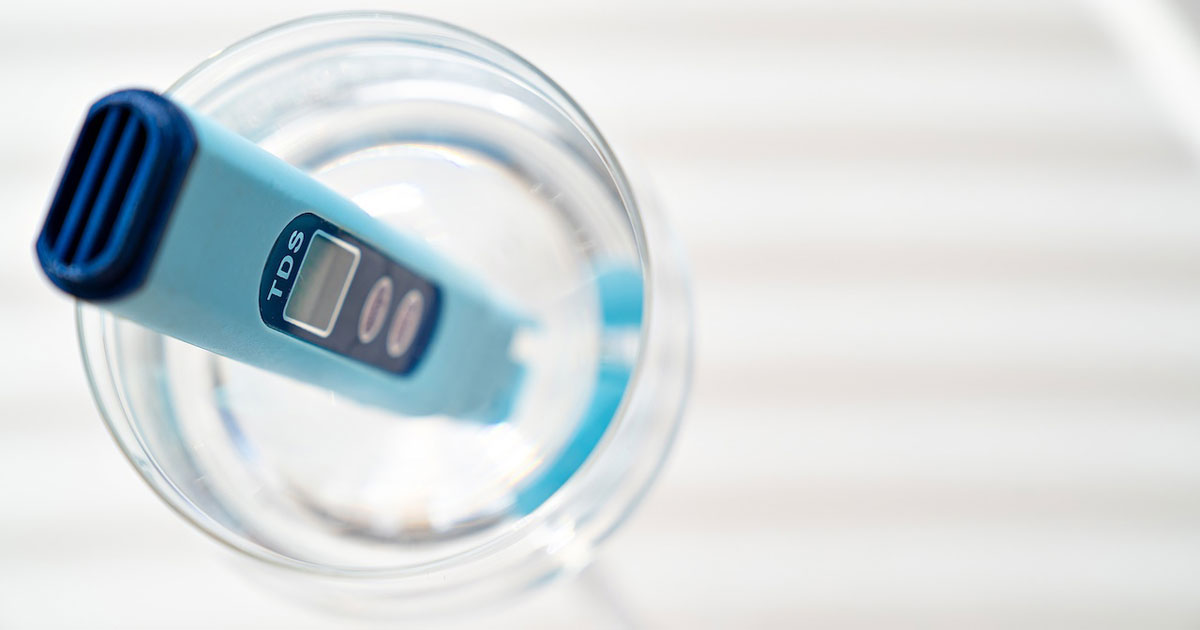
As a “blank slate” medium, distilled water can be a better choice for some medical conditions when directed by a doctor, where the imbiber needs more control over the water’s chemistry. The consensus on coffee and tea, however, is a “no,” unless it’s to exercise precise control over the water by adding back certain minerals. The flatter taste and composition of distilled water compromises flavor, but some enthusiasts have found around 150 ppm to be the optimal concentration of total dissolved solids (TDS) and keep a TDS meter on hand to achieve that coffee nirvana.
Potential benefits
- Low mineral content. Most dissolved minerals are left behind.
- Fewer impurities. Many dissolved contaminants and other impurities such as microplastics stay in the boiling chamber.
- Consistent composition. The result is the same regardless of the source water.
Considerations
- Minerals go too. Distillation removes beneficial minerals (and fluoride) along with impurities, so drinking it won’t add any.
- Diet does the work. Most of your minerals come from food, so a balanced diet usually fills the gap. The WHO has reviewed evidence that very low-mineral water can increase urine output and electrolyte loss, and that cooking in it can pull minerals from food.
- No detox, no magic. On its own, distilled water doesn’t detoxify the body or offer special health benefits, though it can be the better choice for certain conditions when a doctor directs it.
In practice, distilled water can be easily purchased by the gallon or by using a countertop distiller to produce small batches slowly at home. It takes a few hours and the appliances need periodic cleaning of the boiling chamber.
So for drinking water, under-sink reverse osmosis is an optimal choice for regular and high volume use. RO is on demand, with a flow rate determined by the system’s design, and whether it is a traditional tank-based style or tankless model you plug in to power the pump. Some premium RO systems add a remineralization stage that puts calcium and magnesium back on the fly.
Distilled Water vs Purified Water vs Filtered Water
These terms get used interchangeably, but the words matter. In bottled water, the FDA allows “purified” for water made by distillation, deionization, reverse osmosis or another suitable process. Anywhere else, “pure” and “purification” are loose marketing terms, so be skeptical. No single type is the “healthiest.” The best fit depends on your source water, diet and taste. For the cost side, see our guide to bottled water vs. reverse osmosis, or browse our water filters.
| Water Type | Basic Process | Mineral Content | Common Drinking Use |
|---|---|---|---|
| Distilled | Boiling and condensation | Very low | Drinking; appliance, medical (CPAP, humidifiers) and lab uses |
| Purified | RO, distillation, deionization or another process | Depends on process | Drinking; bottled water |
| Filtered | Carbon, sediment or other filter media | Depends on filter type | Everyday household drinking |
| RO | Semipermeable membrane | Usually much reduced | Household drinking and cooking |
| Deionized | Ion-exchange resin | Close to zero | Lab and industrial use; aquariums and spot-free car wash; not typical for drinking |
| Bottled | Varies by brand and source | Varies; some brands add minerals back | Drinking |
What Is Distilled Water Commonly Used For?
Distilled water, fine for drinking with tweaks, is most at home where minerals cause trouble:
- Humidifiers. The EPA advises bottled water labeled “distilled” for ultrasonic and impeller models, since tap water minerals spread as white dust and scale.
- CPAP humidifier chambers, where manufacturers commonly call for distilled water.
- Steam irons, labs and car batteries or cooling systems.
- Nasal rinsing. The CDC says to use store-bought water labeled “distilled” or “sterile,” or boiled and cooled tap water.
And be aware that distilled isn’t deionized. Deionized water passes through ion-exchange resin that removes dissolved mineral ions. Deionized water is popular for home aquariums requiring precision water chemistry controls and for those spot-free car washes that are all the rage, but the process leaves uncharged contaminants behind, such as some organics, bacteria and viruses.
Drink distilled water if you’ve got it. Just don’t make it your only source of drinking water without a simple modification. For everyday consumption (not medical-specific), a gallon of distilled water can be good to go with a pinch of a proper salt with a broad spectrum of mineral content like Celtic sea salt, Real® salt from Redmond, Utah, or other “unrefined” salt. Keep in mind that a pinch of salt mostly adds sodium, so check with your doctor first if you have a medical condition or follow a restricted diet, and keep eating a balanced diet.