How Does Reverse Osmosis Work: A-to-Z Guide
 Andrew
June 18, 2026
#alkaline
#reverseosmosis
#rofilter
#waterquality
Andrew
June 18, 2026
#alkaline
#reverseosmosis
#rofilter
#waterquality

- Explain how reverse osmosis forces water through semi-permeable membranes to achieve 0.0001 micron filtration
- Compare traditional tank systems versus tankless options to help you choose the right capacity and design
- Break down the multi-stage process from pre-filtration to remineralization for optimal water quality
- Guide you through selection factors including installation requirements, maintenance needs, and specific water quality concerns
The Science: How Reverse Osmosis Actually Works
And here’s technically what is happening: through a highly selective filter process that achieves filtration equivalent to 0.0001 microns, reverse osmosis can effectively remove a wider range of organic molecules, dissolved minerals, and chemical contaminants than other filter types—delivering water that's essentially pure H2O.

The Multi-Stage Process
Reverse osmosis membranes perform at their best within a carefully designed sequence of filtration that maximizes contaminant removal while protecting the expensive membrane components:
- Pre-filtration: Sediment filters remove larger particles like dirt and rust, while carbon filters address chlorine and organic compounds that could damage the RO membrane. Read more about activated charcoal/carbon water filters.
- Membrane filtration: The heart of the system, where water molecules pass through the membrane's selective barrier while contaminant impurities are rejected and flushed away.
- Post-filtration: Final polishing removes any remaining taste or odor compounds, ensuring the highest quality drinking water.
- Remineralization: Some systems reintroduce beneficial minerals lost to filtration, adding back calcium and magnesium to enhance the flat taste of RO water and improve the overall pH.
- Storage and delivery: Many systems include a storage tank for immediate water availability, though tankless options provide continuous flow.
Understanding Membrane Technology
Modern residential membranes can achieve 95–99% rejection rates for dissolved solids while operating at lower pressures than the commercial and industrial systems used for large-scale water treatment. This technology removes dissolved minerals, heavy metals, pesticides, pharmaceuticals, and chemical contaminants that other filtration methods might miss. While RO membranes can physically block bacteria and viruses due to their small pore size equivalency, RO systems are not designed as primary microbial treatment—UV sterilization or other dedicated disinfection methods are more appropriate for microbial concerns.
The membrane's effectiveness depends on proper pre-filtration and maintenance. Pre-filters can help protect against premature fouling, while filter replacement (or cleaning, in some cases) on a regular schedule ensures consistent performance. Understanding this relationship helps homeowners appreciate why following manufacturer maintenance schedules matters for long-term system reliability.
System Options: Finding the Right RO Solution for Your Home
Installation and Design Types
The best under sink RO water filter for your home depends on your household's daily water consumption, available installation space, and budget considerations.
Traditional tank systems store 2–4 gallons of filtered water in a pressurized tank for immediate availability when you turn on the dedicated RO faucet. These systems work well for most households and represent the most economical entry point into RO filtration, but can still offer premium benefits such as remineralization.
Choosing a tankless water filter system with a booster pumps provides continuous flow at higher rates without storage requirements. These systems eliminate concerns about tank sanitation while providing faster flow rates, though they typically cost more initially.
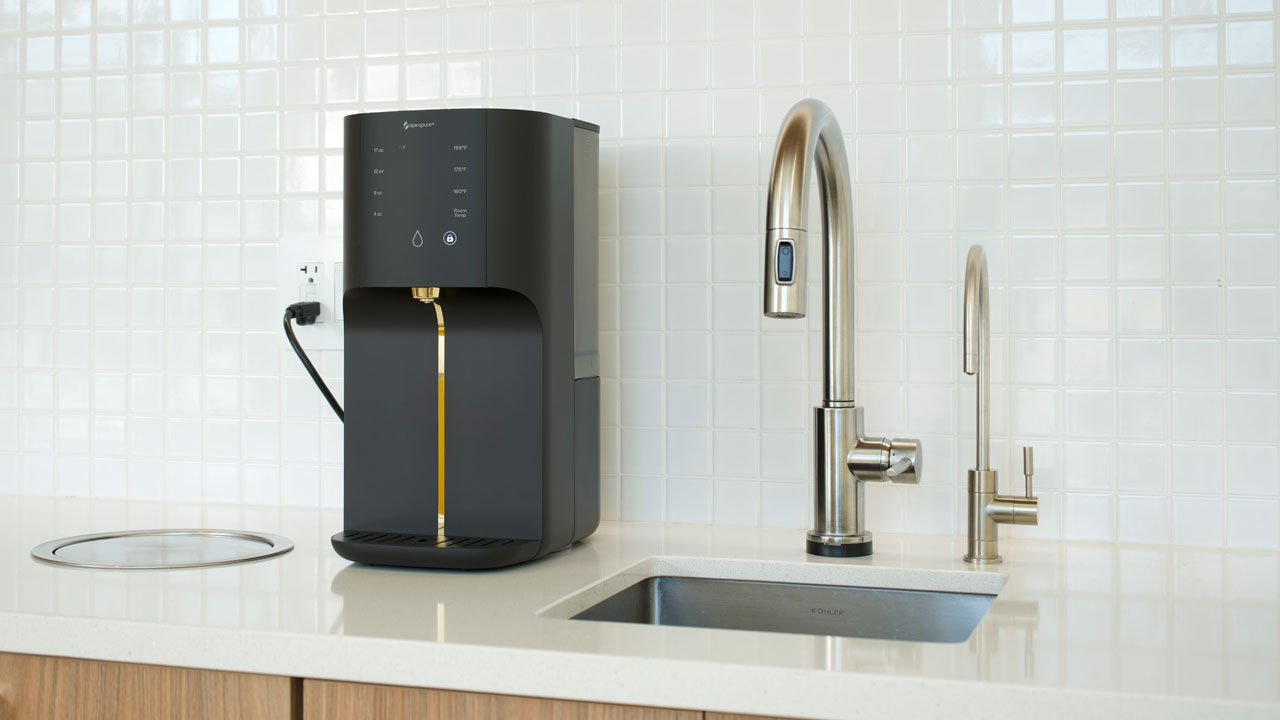
For maximum flexibility, portable countertop units offer RO filtration without any permanent installation. These systems work well for renters, small spaces, or those wanting to try RO technology before committing to permanent installation.
Capacity and Performance Considerations
System capacity varies from 50–100 GPD (gallons per day) for basic under-sink units to 1,000+ GPD for high-capacity tankless systems with booster pumps. Consider your household's drinking and cooking water usage when selecting capacity. A family of four typically uses 5–10 gallons of drinking water daily, though households that cook frequently or fill water bottles may need higher capacity systems.
Flow rate also matters for user experience. Tank systems provide immediate flow until the tank empties, then delayed refill rates. Tankless systems provide consistent flow but require a grounded plug and energy to run.
Remineralization and Enhancement Options
An RO system with "remineralization" addresses multiple concerns about standard reverse osmosis filtration. Pure RO water is technically slightly acidic (typically pH 5.5–6.5) due to mineral removal, though it is safe to drink. More noticeably, RO water has a characteristically "flat" taste that some find unappealing for drinking.
In culinary applications, pure RO water presents specific challenges. Coffee brewing benefits from minerals for proper extraction. According to the Specialty Coffee Association, magnesium and calcium help draw out aromatic compounds and create body in the cup. Pure RO water produces under-extracted, flat-tasting coffee that lacks depth and complexity.
For direct-contact cooking applications like pasta, rice, and vegetables that absorb water as they cook, mineral-free RO water can negatively affect both texture and flavor. Grains may cook differently without minerals present in the water. Professional bakers turn to water with 50–150 ppm mineral content for optimal yeast fermentation and gluten development. RO water should meter at around 10 ppm or less, requiring remineralization for controlled baking outcomes. On the other hand, RO water is ideal for washing vegetables, making clear ice, and applications where removing chlorine and contaminants matters more than mineral content.
Remineralization media restore essential minerals like calcium and magnesium to create balanced water that addresses these concerns, producing slightly alkaline water (pH 7–8) with improved taste and better culinary performance across applications. This matters for consumers looking to save money on bottled water while maintaining water quality that works well for both drinking and cooking. If you've wondered, can alkaline water be made at home? The answer is yes: remineralization systems can produce slightly alkaline water by adding back minerals that create pH balance and improve taste.
Some consumers prefer precise control through mineral drops added to pure RO water for specific applications. Others opt for carbon filtration alone to handle chlorine and remove bad taste and odor in water when their water quality doesn't require RO's comprehensive contaminant reduction. This simpler approach maintains natural minerals while eliminating the primary taste offenders in municipal water.
Some systems include additional enhancement stages like UV sterilization for extra microbial protection or specialized filters for emerging contaminants like PFAS chemicals. Premium options with innovative multi-stage systems often include multiple enhancement technologies for comprehensive water treatment.
Making the Right Choice: Benefits, Considerations, and Selection
Key Benefits of Home RO Systems
The advantages of reverse osmosis extend beyond simple contaminant removal:
- Comprehensive filtration: Reduces up to 99% of dissolved solids, heavy metals, chemicals, and many contaminants in a single system
- Cost effectiveness: More economical than bottled water for families using significant amounts of purified water
- Convenience: On-demand pure water without storage, delivery, or shopping requirements
- Versatility: Handles both municipal water enhancement and well water treatment challenges (though additional pre-filtration is often necessary on some wells)
- Reliability: Proven technology with predictable performance and straightforward maintenance
What are the downsides of reverse osmosis? Like any technology, RO has considerations to understand before purchase. The process produces wastewater during operation, though modern systems are increasingly efficient. Some wastewater can serve non-consumption purposes like plant watering or cleaning. While most systems simply direct wastewater down the drain via a drain saddle connection, water-conscious consumers can take steps to capture and repurpose the brine for cleaning or irrigation, though dilution may be necessary.
RO removes beneficial minerals along with contaminants, though this concern is addressed through remineralization options. The technology also requires ongoing filter replacement and slightly higher water usage than simpler filtration methods.
Selection Factors for Your Home
Choose based on your household size, water usage patterns, installation constraints, and specific water quality concerns. Basic three-stage systems provide excellent value for straightforward applications, while advanced configurations of five or six stages offer specialized contaminant removal or enhanced features for specific needs.
Consider your water source and quality when selecting features. Municipal water users primarily need chlorine, taste, and odor improvement, while well water may require additional pre-filtration for heavy sediment, iron, or bacterial concerns.
Is there a whole home reverse osmosis option? Yes, though most homeowners find point-of-use systems more practical and economical for drinking water needs. Whole-house RO requires significant investment and infrastructure while providing treated water for all uses, including non-consumption applications where treatment may be unnecessary.
Installation and Maintenance Planning
Most under-sink systems connect to existing cold water lines and include detailed installation instructions for DIY installation. Professional installation ensures proper setup and may be required for warranty coverage on some systems.
Plan for ongoing maintenance when budgeting for RO. Pre and post-filters typically require replacement every 6-12 months, while RO membranes can last 2–3 years with proper care, but many consumers opt to change them annually with other filters so everything is on the same schedule and achieving optimal filtration. Many manufacturers offer email reminders or filter subscription services to simplify maintenance scheduling.
Understanding how reverse osmosis works helps you evaluate whether this technology matches your water quality goals and household needs. From removing municipal treatment chemicals to addressing well water challenges, RO systems provide comprehensive filtration that delivers consistently pure results while adapting to your specific requirements and installation preferences.
Brine: The concentrated wastewater stream containing rejected contaminants, typically sent to the drain
Capacity: System output or total daily production capability, which varies based on factors such as water pressure, temperature, and source water quality
Efficiency: Modern systems typically achieve 95-99% contaminant rejection with 3:1 to 4:1 waste-to-pure ratios for systems with tanks and 1:2 wastewater to pure water or greater ratios for tankless systems
Filtration stages: Multi-step process including pre-filters, RO membrane, and post-filters for comprehensive treatment
Flow rate: Immediate water delivery speed, ranging from tank-fed systems to high-capacity tankless models with booster pumps
GPD: Gallons per day rating indicating system capacity under ideal laboratory conditions, ranging from 50 GPD for basic systems up to 1,000+ GPD for high-capacity tankless models with booster pumps
Membrane: Semi-permeable barrier with 0.0001 micron rating that performs the actual molecular separation
Permeate: The clean, filtered water produced by the RO process for drinking and cooking
Pressure: Operating force (typically 40–80 PSI for residential systems) that drives water through the membrane system
Remineralization: Optional process that adds beneficial minerals such as magnesium and calcium back to RO water for taste and pH balance
TDS: Total dissolved solids measurement used to monitor system performance and water quality
Wastewater: More accurately described as process water used during filtration, similar to water used in other household processes
RELATED PRODUCTS

Reverse Osmosis Filters
Choose from Tankless RO, Traditional Tank RO Systems, Countertop RO, and more!
Enhanced RO Filters Most TDS!
Check Out Our Remineralization Options!

Commercial RO Membranes
Find commercial reverse osmosis membrane cartridge replacements in a variety of pressure and desalination options!
Commercial-grade TDS reduction
Save More with Low Energy Options!

Industrial RO Membranes
Get the right replacement reverse osmosis membrane cartridge for your industrial RO system
Low pressure, high flow options!
Energy efficient models available!


