Do Shower Filters Really Work?
 Andrew
October 29, 2026
#chloramine
#chlorine
#hardwater
#showerfilters
#showerheadfilter
- Explain what shower filters can and can't remove
- Show how long cartridges last and why results vary
- Help you judge what to expect, and when whole-house filtration fits better
What Do Shower Filters Actually Remove?
Quick Answer: Do Shower Filters Really Work? Often, within limits. Shower filters can reduce chlorine, and some may help with sediment or certain metals. They don't soften hard water, and results depend on the media, flow rate, and water temperature.
Depending on your water quality, flow rate, filter media quality, and filtration goals, shower filters can work.
It's a lot of dependencies, but here's why they matter: showerhead and bath filters are what's called "point-of-use" filters, or filtration devices, because they are designed to filter water just at that single faucet.
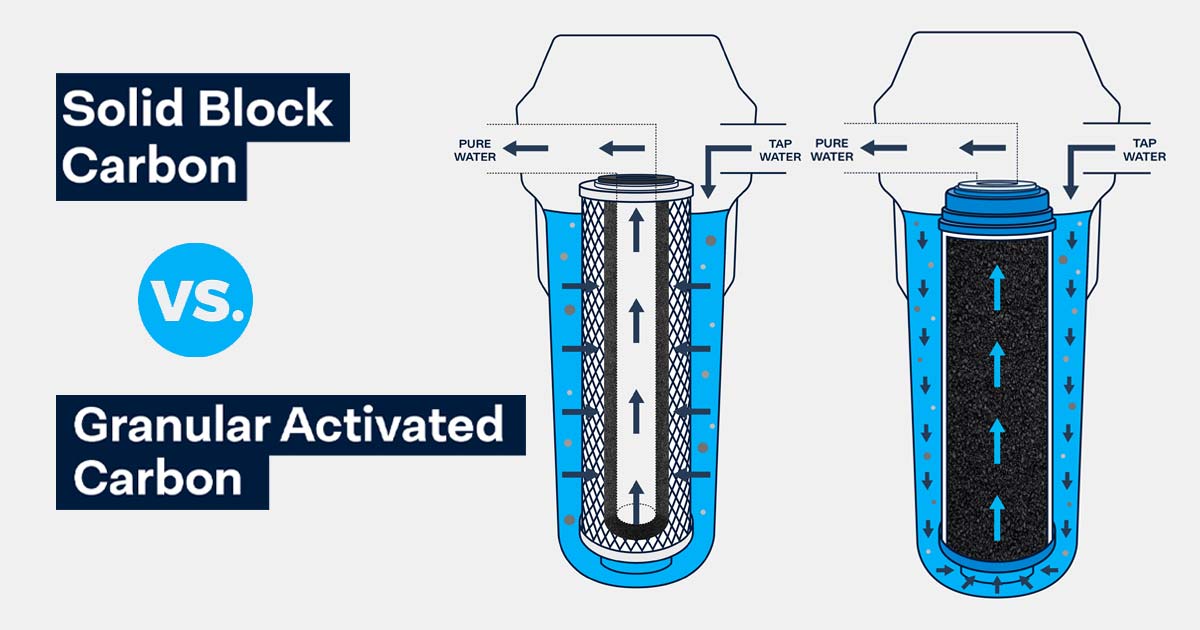
The other option is point-of-entry, or filtration installed where the city or well water enters the home or building and filters all water flowing through the structure's pipes. Why does that matter? The amount of filtration material, called "media," at the point of entry needs to be significantly greater to handle both the volume of water and the flow rate, giving water time to interact with the media (especially carbon) without slowing dramatically. You know how you don't like it when you lose water pressure? That's a factor of flow rate.
Now imagine trying to handle some of those same contaminants with the relatively tiny amount of filter media crammed into a showerhead attachment with hot water rushing through the media quickly. It works, to a degree. Moving, then, from whether shower filters actually work to the more technical "how do shower filters work?" question helps us understand what we're buying and what we can reasonably expect these attachments to accomplish.
| Substance / Concern | Can Shower Filters Help? | Typical Media | Important Note |
|---|---|---|---|
| Chlorine | Yes | Carbon, KDF, vitamin C | Common target of shower filtration |
| Chloramine | Depends | Catalytic carbon, KDF, vitamin C | Media and product design matter |
| Sediment | Some filters | Varies by design | Depends on cartridge construction |
| Certain metals | Some filters | KDF in some designs | Depends on media and certification |
| Odor | Yes, in some systems | Carbon | Depends on filtration media |
| Calcium and magnesium | No | None | These cause water hardness |
How Long Do Shower Filters Last?
A shower cartridge holds a small amount of media, so it wears out. Manufacturers commonly recommend replacing one every two to six months, and some rate cartridges by gallons instead, such as 8,000 to 10,000. Alas, a gallon rating isn't as actionable as a calendar. Take 2 gallons per minute as an average flow rate and four 10-minute showers a day and you'll hit about 80 gallons. That amounts to 10,000 gallons in roughly four months.
Capacity, household usage, and water quality all factor into the formula. Higher chlorine levels and heavier use can exhaust the media sooner, so follow the manufacturer's guidance and check your showerhead or bath cartridge's rated life. Signs a cartridge may be spent include a drop in water pressure, returning chlorine odor, or dryness coming back. It's best not to wait for these signs, since decline isn't always noticeable. Though depending on your sensitivity or the chemical levels in your water, it may not be quite as urgent as staying ahead of drinking water filter changes.
How to Choose the Right Shower Filter
Start by knowing what's in your water. Public systems publish an annual water quality report called the Consumer Confidence Report and well owners can test.
Check What the Filter Is Designed to Reduce
Match the filter to your issue:
- Most likely to help: free chlorine and chlorine odor.
- Might help: chloramine, sediment, and certain metals, depending on design.
- Least likely to help: hard water, heavy chlorine or chloramine loads, VOCs and other chemicals, and metals beyond a small cartridge's capacity. Consider whole-house water filter systems, which carry far more media. Hard water also calls for a softener or scale-prevention system.
Look at the Filtration Media
Media matters more than counting stages. Carbon is common for chlorine but is generally weaker with hot water and the more stable chloramine. KDF tolerates heat better, and vitamin C neutralizes chlorine and chloramine via a cool electron transfer process called reduction-oxidation reaction, kind of like an eraser for chemicals.
Check Certifications and Testing
Look for NSF/ANSI 177, the standard for point-of-use shower filtration. It verifies free chlorine reduction only, and it hasn't been evaluated in the presence of chloramines and doesn't address hardness or other heavy contaminants covered by other standards such as NSF 53. Treat claims about metals or other contaminants without independent test data with skepticism. See the remaining shower head filters we carry.
The Bottom Line on Shower Water Filters
So, back to those influencers. A filter in the "most likely" or "might help" tiers is likely better than none and may ease chlorine's drying effects, but independent evidence for bigger promises, such as clearer skin or hair growth, is thin. Treat before-and-after videos as marketing, check claims against independent testing, know your water, and replace cartridges on time. Do your research before you buy.