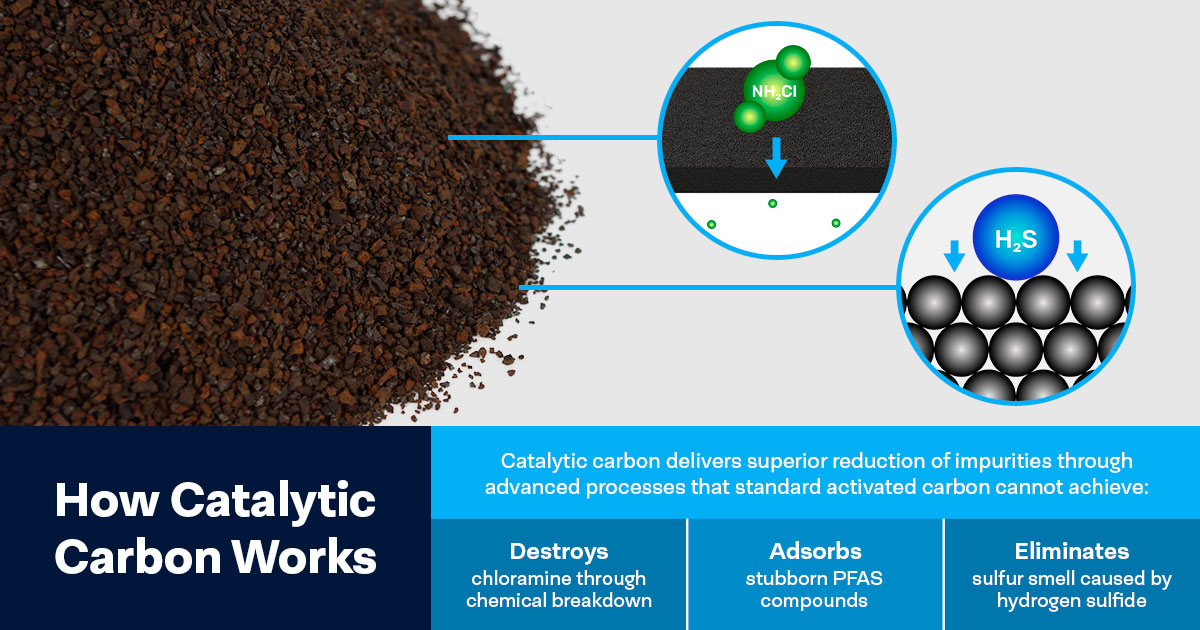
Carbon Block vs GAC: Which Performs Better?
 Andrew
August 04, 2026
#activatedcarbon
#activatedcharcoal
#carbonblock
#chlorine
#granularcarbon
#wholehome
Andrew
August 04, 2026
#activatedcarbon
#activatedcharcoal
#carbonblock
#chlorine
#granularcarbon
#wholehome
- Carbon block and GAC each excel in different performance areas making neither universally "better"
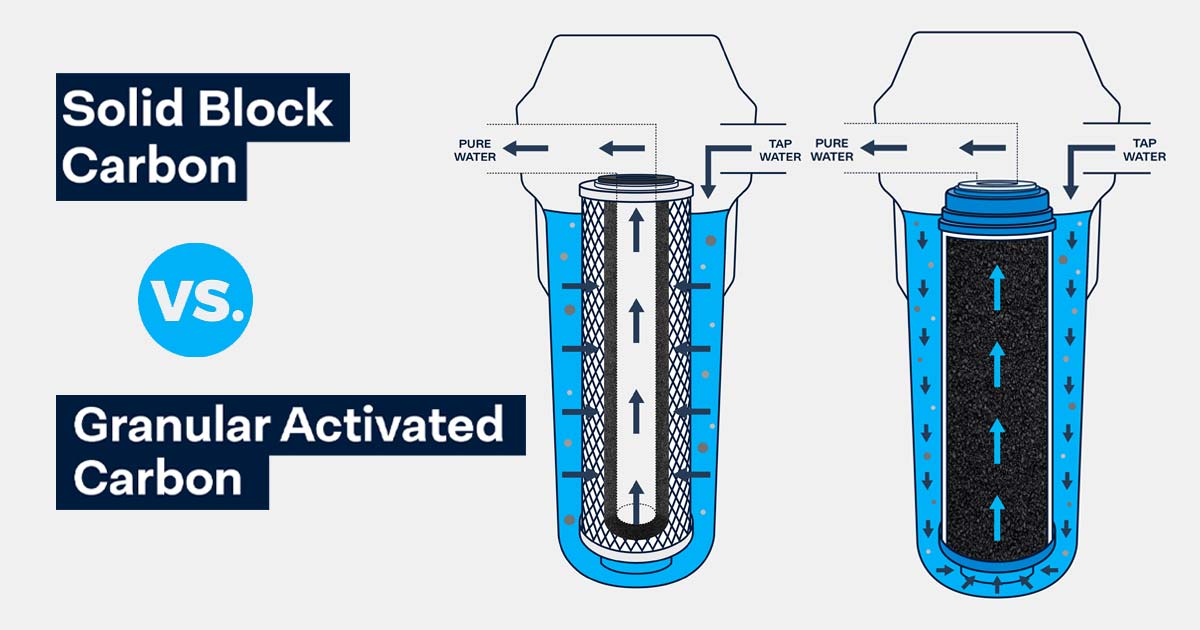
- Carbon block filters compress powdered activated carbon (PAC) with binders to achieve 0.5–10 micron ratings, while GAC uses loose granules at nominal 20-25 microns
- Effective water treatment systems often sequence both types: GAC handles chlorine and chemical impurities upstream, carbon block provides more precise filtration downstream
What's the Difference Between Carbon Block and GAC Filters?
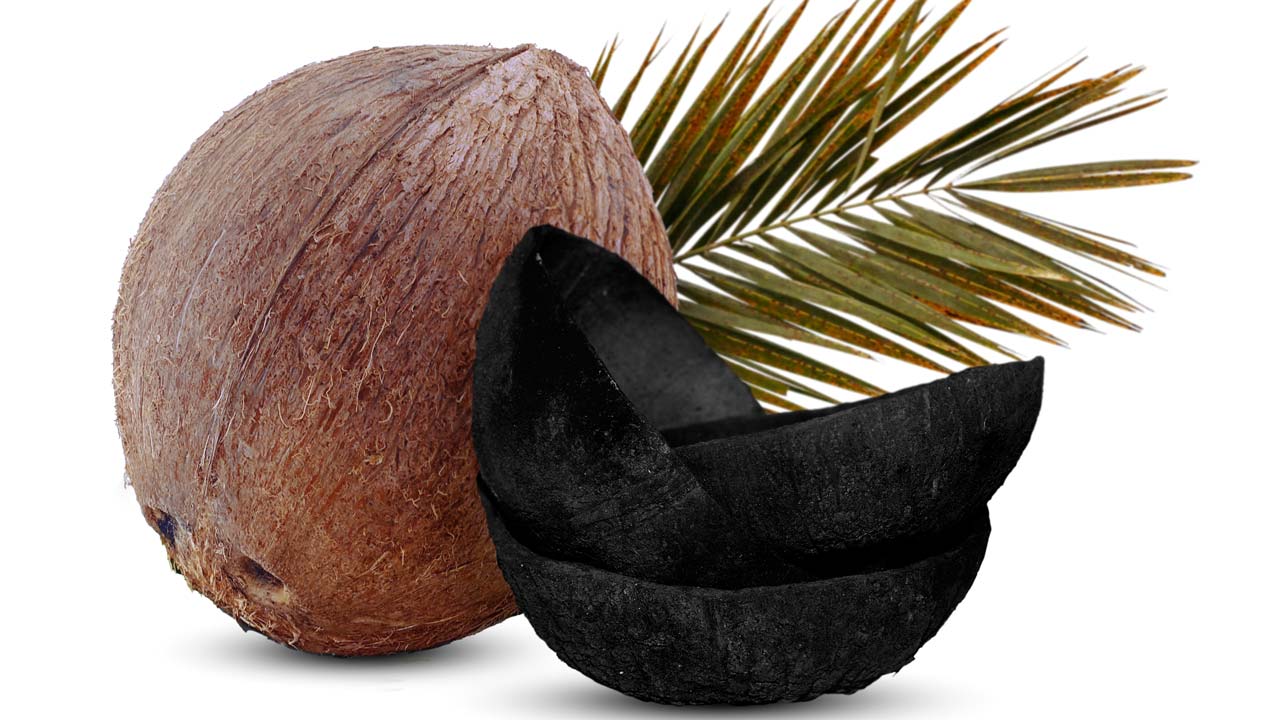
Both carbon block and granular activated carbon water filters with carbon at All Filters start with the same raw material: activated carbon made from industry-best coconut shell. The manufacturing process determines their different performance characteristics.
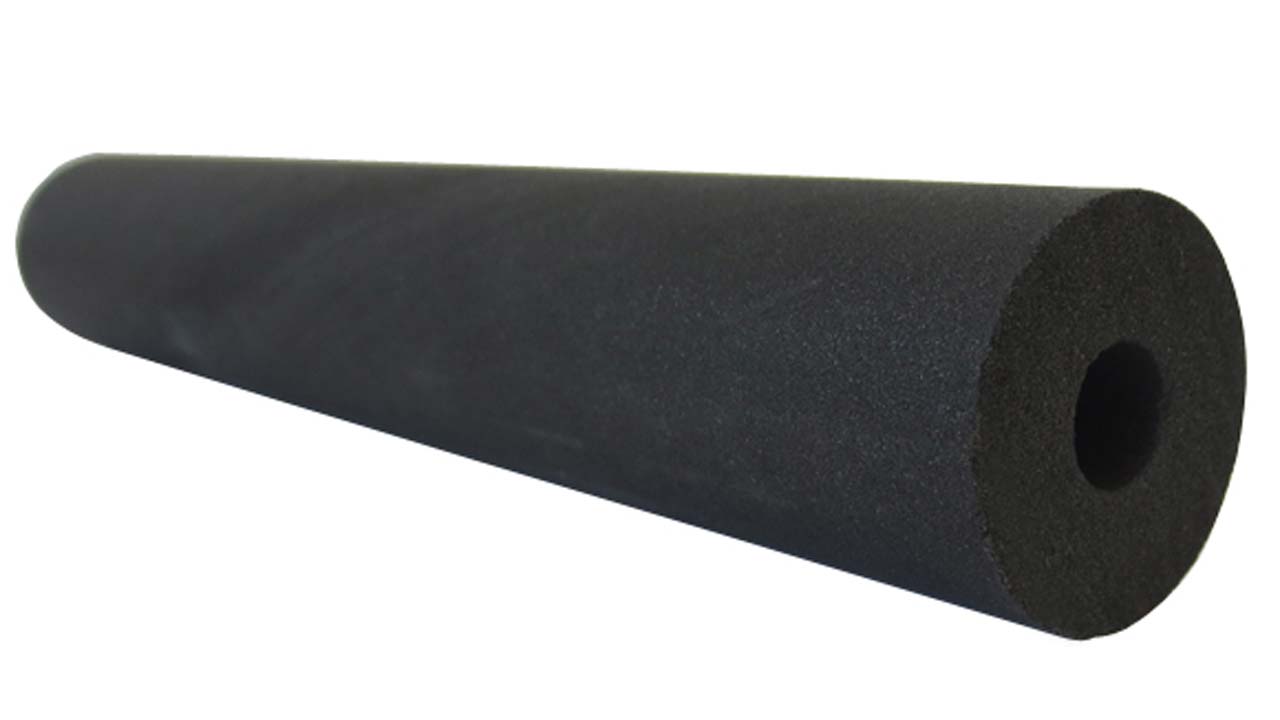
Carbon block filters compress powdered activated carbon (PAC) with food-grade binders under heat and pressure into solid blocks. The carbon particles in a block filter are much smaller than GAC granules, essentially powder that when bonded together creates a dense structure with significantly more surface area.
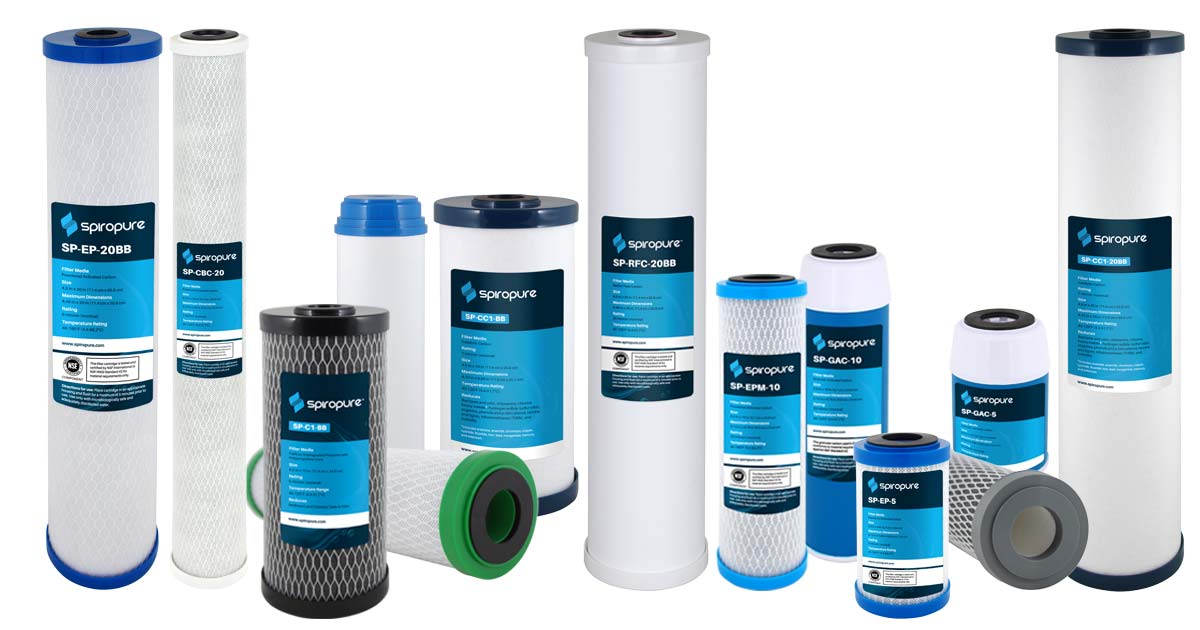
This compression allows carbon block filters to achieve precise micron ratings. SpiroPure's carbon block series ranges from 0.5 microns (SP-CBR2) through 1 micron (SP-CBC), 5 microns (SP-EP), to 10 microns (SP-EPM).
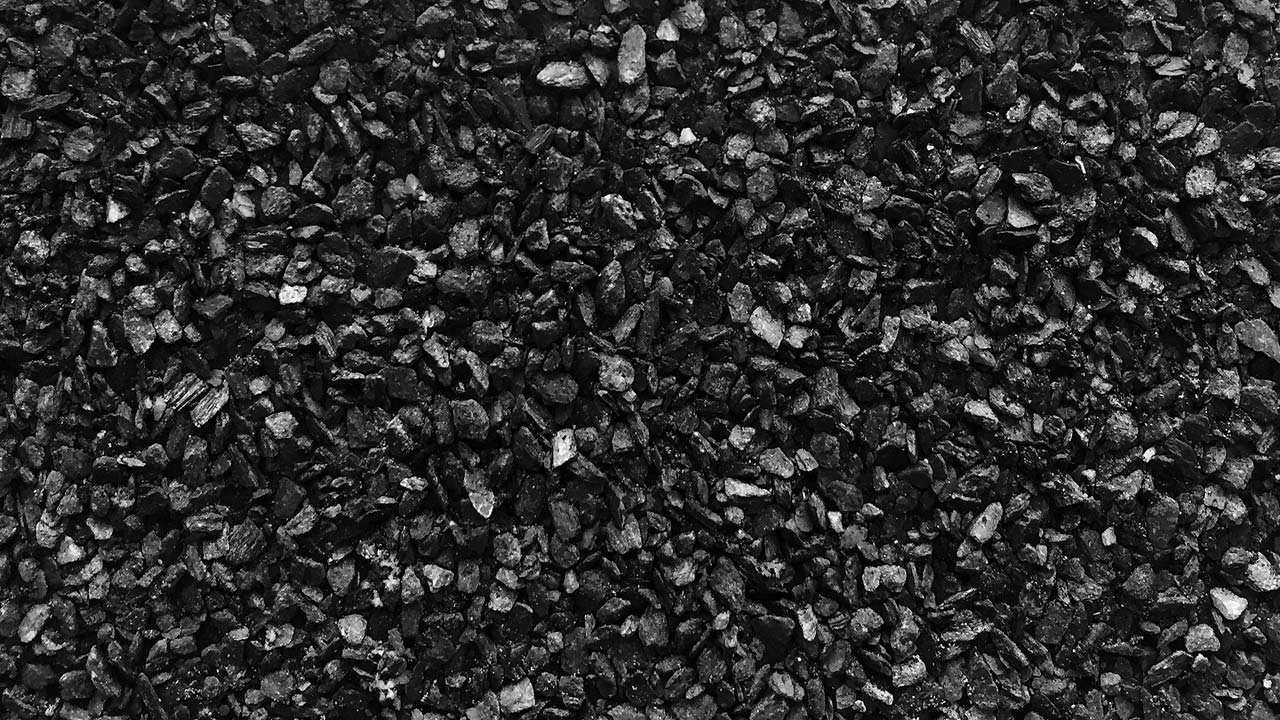
Granular activated carbon filters contain loose carbon granules hard packed within a cartridge housing, but water flow remains steady through the granules. SpiroPure GAC filters carry a nominal 20 micron rating and a similar product with flow across the radius called radial flow (RFC) are rated at 25 microns. But be aware that micron ratings for loose granular carbon are approximate due to the variable pathways water can take through the media.
What about powdered activated carbon? While all carbon block filter cartridges use compressed PAC, some municipal and commercial water treatment plants also use PAC in its loose powder form, dosed directly into water then filtered out.
How Do Carbon Block and GAC Performance Compare?
The carbon block versus GAC performance debate centers on a fundamental trade-off between filtration through contact time and water flow.
Carbon block advantages
Carbon block's compressed, bonded structure forces water to travel through a maze of carbon particles, dramatically increasing contact time. Contact time simply refers to the duration water spends touching the carbon media, when the adsorption process occurs. A prolonged contact enables carbon block filters to remove contaminants that require longer exposure. Here are the benefits of carbon block:
- Extended contact time: Water travels through compressed particles, increasing the duration contaminants spend touching carbon surfaces where adsorption occurs
- Prevents channeling: Uniform density eliminates preferential flow paths that allow water to bypass active carbon in loose granule filters
- Removes trace contaminants: Enables removal of certain stubborn compounds including VOCs, heavy metals (under specific conditions), and persistent taste and odor compounds
The tight compression also technically allows carbon block filters to mechanically trap particles, though water with high sediment levels should always pre-filter to prevent clogging and exhausting carbon media prematurely.
Granular activated carbon advantages
GAC's loose granule structure creates natural flow channels between particles, allowing significantly higher flow rates than carbon block. This makes GAC the practical choice for applications where volume matters:
- High flow rates: Natural channels between granules allow better flow for whole-house systems without pressure drops affecting fixtures
- Handles bulk loads: Larger granules excel at removing chlorine concentrations and organic matter that would quickly clog carbon block filters
- Pre-filtration workhorse: Removes first layer of chemical contaminants before water reaches precision filtration stages, protecting downstream components from premature saturation
- Cost-effective for volume: Lower manufacturing cost and higher throughput make GAC practical for treating large water volumes
The trade-off for this flow capacity is reduced contaminant removal efficiency compared to carbon block. GAC's approximate 20-micron rating means less contact time.
Which Should You Choose: Carbon Block or GAC?
The most effective water treatment doesn't choose between carbon block and GAC. It chooses or sequences both strategically. Think of GAC as your linebacker and carbon block as your safety in football. GAC handles the big hits upfront (larger particles, heavy chlorine loads), while carbon block provides precision coverage for everything that gets through (fine particles, trace contaminants). For more football analogies in water filtration, see our guide to NSF water filter standards.
Reverse osmosis systems demonstrate this complementary relationship. SpiroPure's SP-RO100MP six-stage system sequences filtration purposefully:
- Stage 1: Sediment filter removes dirt, rust, and other particles
- Stage 2: GAC filter (20 microns) reduces chlorine that would damage the RO membrane and removes bad taste and odor
- Stage 3: Carbon block filter (1 micron) provides final pre-filtration, further improves taste while also removing additional chemical impurities
- Stage 4: RO membrane performs the precision filtration
- Stages 5-6: Remineralization and carbon polishing for taste
This sequencing protects expensive components downstream while maximizing each filter's strengths. GAC comes first because forcing high volumes through carbon block would create unacceptable pressure drops and premature clogging. Carbon block follows because its more precise filtration ensures the RO membrane receives water free from particles and compounds that cause premature fouling.
Whole-house application guidance
When it comes to picking the correct water filters, it often boils down to application and need. For whole-house chlorine and bad taste removal where flow rate matters most, GAC filters can provide effective treatment without impacting water pressure throughout your home. For more extensive contaminant reduction, carbon block filters deliver additional filtration performance in sequence or when volume demands or flow are lower, such as at a kitchen sink. For refrigerator filters and other point-of-use applications prioritizing water quality over whole-house volume, carbon block's thorough filtration justifies its slower flow rate. And for refrigerators without built-in filters, adding an inline GAC to the water feed line delivers better tasting water to the dispenser and ice maker.
The answer to "which performs better" depends entirely on what you're asking it to perform. Rather than viewing carbon block and GAC as competing options, understand them as different tools designed for different jobs in comprehensive water treatment. Choose based on your specific application, flow requirements, and water quality goals.
Carbon Block vs. GAC: Which Performs Better?
What is the difference between carbon block and granular activated carbon (GAC) filters?
Which is better: carbon block or GAC filters?
Why do reverse osmosis systems use both GAC and carbon block filters?
What contaminants does carbon block remove that GAC does not?
When should I use a GAC filter instead of carbon block for my home?
RELATED PRODUCTS
Carbon Filter Cartridges
NSF-certified carbon water filters available in a variety of sizes, media, and micron ratings!
Improve Water Taste and Odor!
Save Even More with Case Packs!

Refrigerator Water Filters
Full line of filters available, including Whirlpool, LG, Samsung, Kenmore, Frigidaire, and more!
Drink Purer, Healthier Water!
Super Value Packs Available

Reverse Osmosis Filters
Choose from Tankless RO, Traditional Tank RO Systems, Countertop RO, and more!
Enhanced RO Filters Most TDS!
Check Out Our Remineralization Options!