Air Filters vs. Air Purifiers: What's the Difference?
 Andrew
July 28, 2026
#airfilters
#airpurifiers
#HVAC
#hvacfilters
#indoorairquality
Andrew
July 28, 2026
#airfilters
#airpurifiers
#HVAC
#hvacfilters
#indoorairquality
- Understand how air filters work within your HVAC system to capture particles as air circulates
- Learn how standalone air purifiers process air independently using multiple filtration stages
- Compare the key differences in functionality, coverage area, and maintenance requirements between the two systems
How Air Filters Work in Your HVAC System
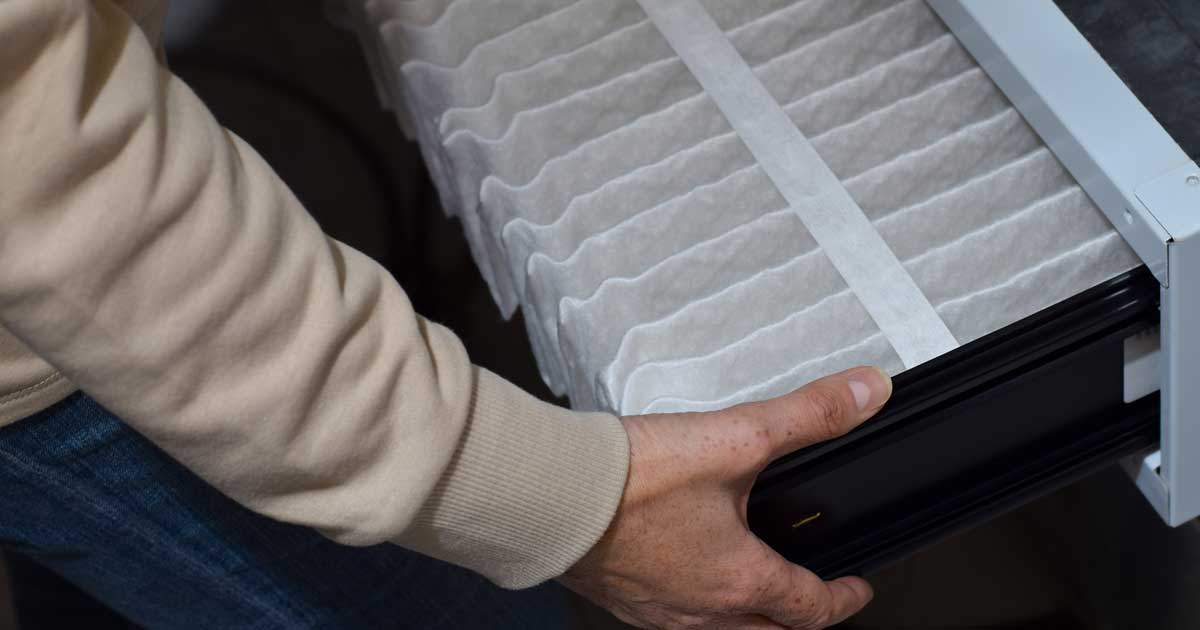
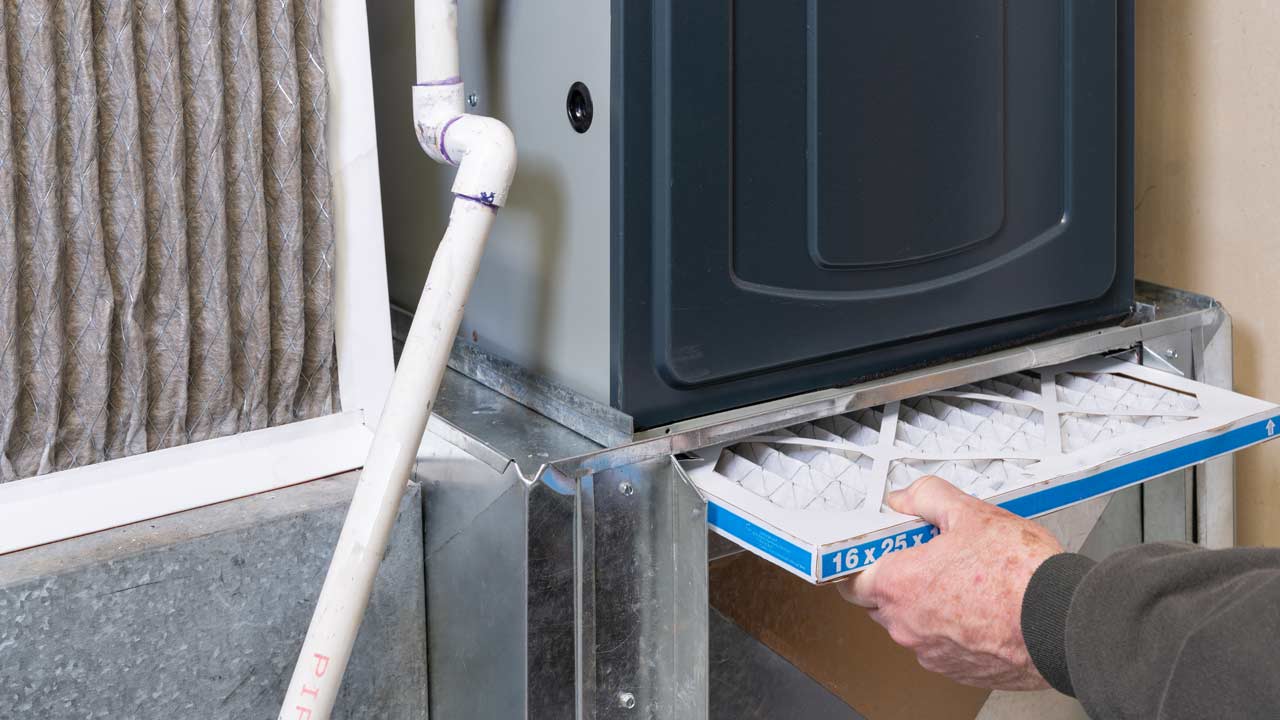
Air and furnace filters integrate directly into your home's existing HVAC system, typically installing in the return air duct between your living spaces and the furnace or air handler. As your heating and cooling system operates, it pulls air from your rooms through return vents, forces that air through the filter media, and then distributes the filtered air back through your supply ducts. This continuous cycle means the air in your home passes through the filter multiple times per day, provided your HVAC system runs regularly.
We manufacture furnace filters across the MERV 8 to MERV 13 range using precisely engineered pleated media. The accordion-style pleats dramatically increase surface area compared to flat designs, which allows our filters to capture particles mechanically while maintaining adequate airflow for residential blower motors. MERV 8 filters handle the particles responsible for visible dust, list, and pet hair as well as pollen, mold spores, and pet dander in the 3 to 10 micron range. MERV 11 and MERV 13 filters add capture capability for finer particles including smoke, bacteria carriers, and submicron allergens that trigger respiratory sensitivity.
The key advantage of HVAC air filters lies in their whole-home coverage and passive operation. Once installed, filters require no additional energy consumption beyond what your furnace or air conditioner already uses. They work silently in the background, processing air whenever your system cycles on for heating or cooling. This makes them the most cost-effective solution for baseline air quality improvement in residential settings. For detailed information on filter efficiency ratings, see our complete MERV guide.
Compared to purifiers, HVAC filters have limitations. They only process air when your system operates, which means they're less effective during mild weather when heating and cooling demands are minimal. They also cannot address air quality in specific problem areas. For example, if one bedroom has persistent odors or elevated particle counts, your whole-home filter treats all rooms equally rather than targeting the issue. Plus standard residential HVAC systems cannot accommodate true HEPA filtration without expensive modifications.
How Air Purifiers Improve Air Quality
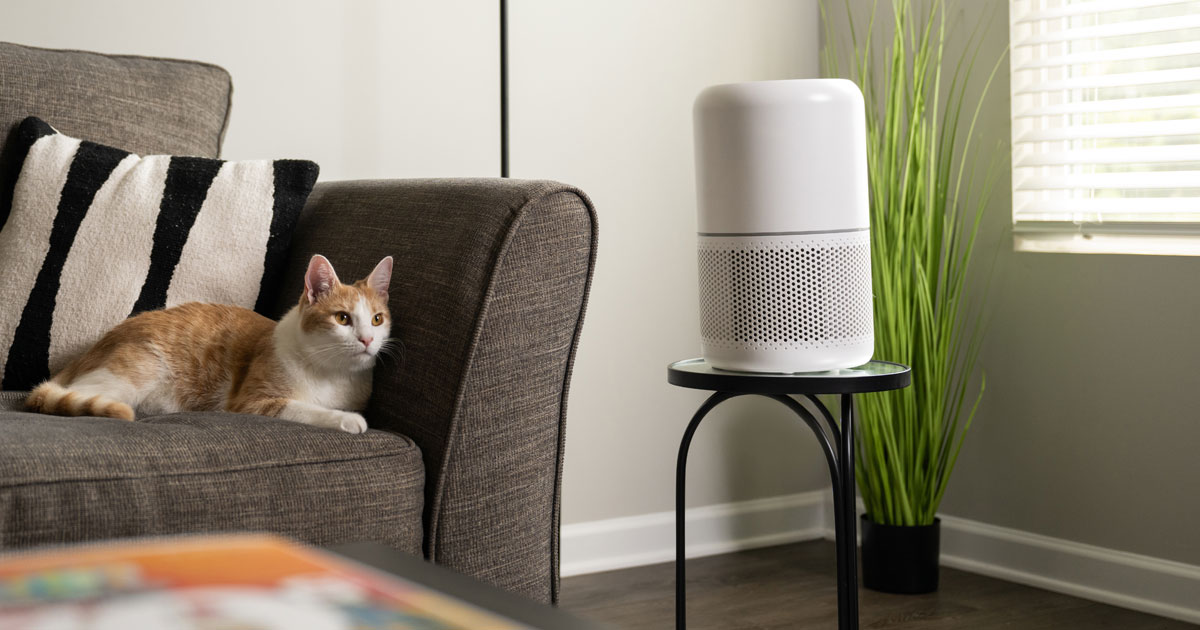
Air purifiers operate as standalone devices independent of your HVAC system. These units contain their own fans, filters, and housings, processing air continuously in the specific room where they're placed. Most residential air purifiers use multi-stage filtration: a pre-filter captures large particles like hair and lint, a carbon filter absorbs odors and volatile organic compounds, and a HEPA filter traps 99.97% of particles as small as 0.3 microns.
This multi-stage approach allows air purifiers to address more serious indoor air quality concerns. Cooking odors, pet smells, smoke, and chemical off-gassing from furniture or cleaning products all require activated carbon filtration, which standard HVAC filters lack. HEPA filtration provides capture efficiency that exceeds even MERV 16 performance, making air purifiers valuable for homes with severe allergies, asthma, or immune-compromised residents.
Air purifiers excel in targeted applications. Place one in a bedroom to ensure clean air during sleep, position another in a home office to reduce airborne contaminants during work hours, or run a unit in a nursery to protect infants from respiratory irritants. This room-specific approach means you can concentrate air cleaning efforts where they matter most.
The trade-offs involve ongoing operational costs and coverage limitations. Air purifiers consume electricity continuously to run their fans. Like HVAC filters, they also require regular filter replacements. HEPA filters typically last 6 to 12 months depending on usage and air quality, while carbon filters may need replacement every 3 to 6 months. Additionally, each air purifier only processes air in its immediate vicinity. Larger homes will require multiple units to achieve comprehensive coverage.
Key Differences Between Air Filters and Air Purifiers
The fundamental distinctions between air filters and air purifiers are in placement and usage. Air filters work within your existing HVAC infrastructure, leveraging equipment you already own and operate. Air purifiers function as independent appliances that supplement or replace HVAC filtration in specific applications.
| Feature | Air Filters (HVAC) | Air Purifiers (Standalone) |
|---|---|---|
| Installation | Integrates with existing HVAC system | Standalone plug-and-play units |
| Coverage Area | Whole-home air circulation | Single room or specific area |
| Filtration Efficiency | MERV 8–13 (captures particles 0.3–10 microns) | True HEPA (99.97% at 0.3 microns) |
| Odor Control | Limited to none | Activated carbon filters absorb odors and VOCs |
| Energy Consumption | No additional cost (uses existing HVAC) | Continuous electrical consumption |
| Maintenance | Replace every 1–12 months depending on thickness | Replace HEPA filters every 6–12 months, carbon filters every 3–6 months |
| Best For | Baseline whole-home air quality improvement | Targeted applications, severe allergies, odor control, HEPA-level filtration |
Cost structures differ significantly between the two approaches. Air filters represent minimal ongoing expense. A year's supply of MERV 11 filters for a typical home costs $60 to $120 depending on size and quantity purchased. Air purifiers require upfront equipment investment ($150 to $1,000 per unit depending on capacity and features) plus ongoing filter replacement costs ($50 to $150 annually per unit) plus electricity consumption (roughly $30 to $60 annually per unit running continuously).
When to Use an Air Purifier Vs. Air Filters
Most homes benefit from starting with high-quality HVAC air filters as the foundation of their air quality strategy. We recommend MERV 11 filters for households with pets or moderate allergy concerns, and MERV 13 for homes with asthma sufferers or severe respiratory sensitivity, provided your HVAC system can handle the increased airflow resistance. This establishes baseline whole-home filtration at minimal cost and effort.
Add standalone air purifiers when specific needs exceed HVAC filter capabilities. Bedrooms with allergy or asthma sufferers benefit from bedside HEPA purifiers that ensure clean air during sleep. Home offices, craft rooms, or workshops where chemical fumes accumulate require carbon filtration that HVAC filters cannot provide. Nurseries and rooms occupied by immune-compromised individuals justify the investment in HEPA-level protection. Homes with persistent pet odors despite regularly replacing their filters for ac units often need carbon-equipped air purifiers in high-traffic pet areas.
FAQs on Air Filters vs Air Purifiers
What is the difference between an air filter and an air purifier?
Do air purifiers work better than air filters for allergies?
Can I use an air purifier instead of an air filter in my HVAC system?
Is an air purifier necessary if I already have an air filter?
Do air purifiers filter out dust like air filters do?
RELATED PRODUCTS
AC & Furnace Filters
Residential and commercial air filters for air conditioning, geothermal, furnaces, and more!
Breathe Better in Your Home!
Save BIG on Case Packs
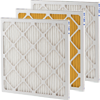
Geothermal Air Filters
1" and 2" thick filters in standard geothermal sizes to fit your geothermal heating and cooling systems.
Find your perfect fit!
Free shipping with SV Pack orders!

4" AC & Furnace Air Filters
Find 4" thick air filters in standard and custom sizes for your home HVAC or furnace system!
Breathe fresher, cleaner air at home!
BIG Savings with Case Packs!